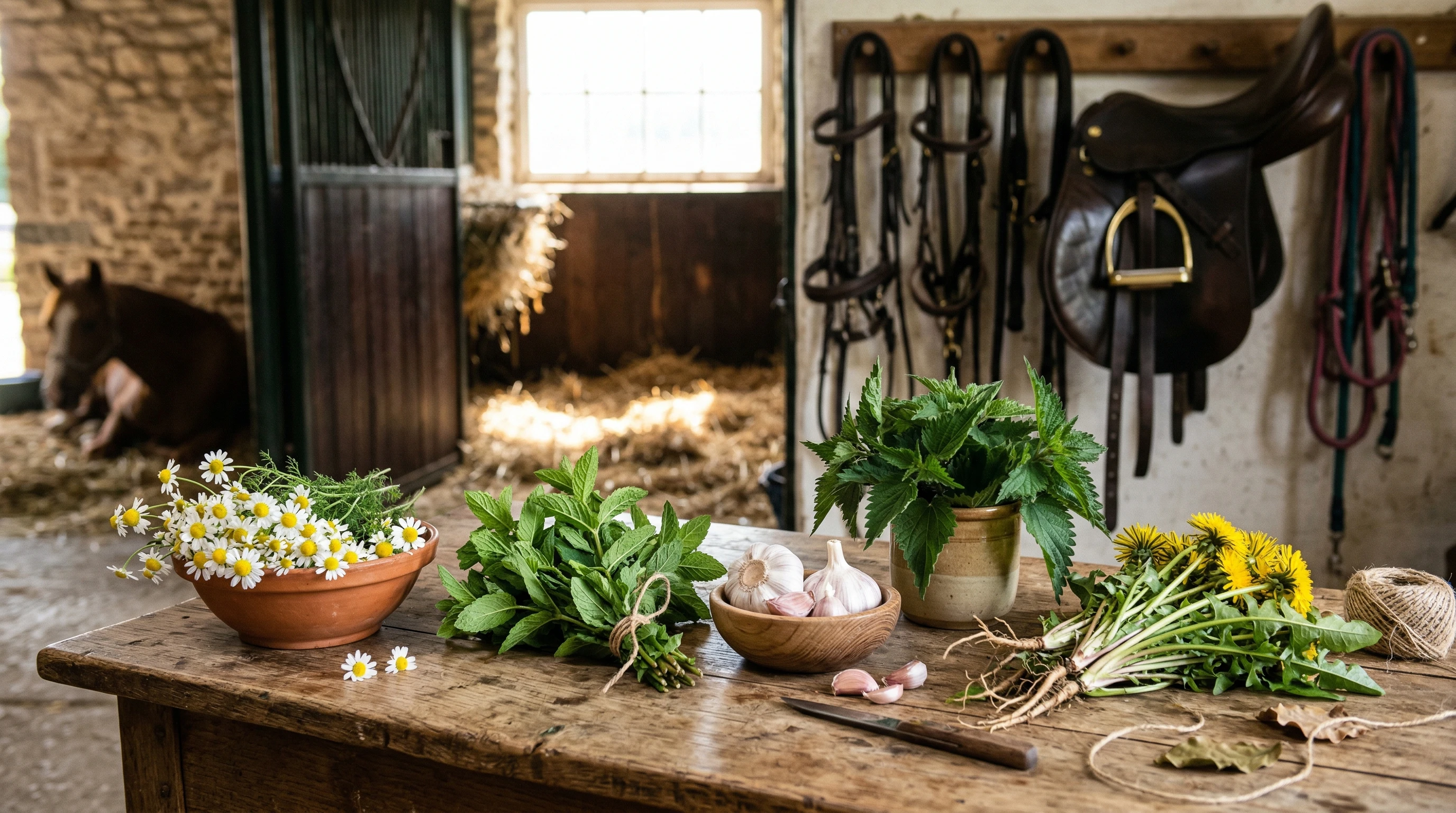
Keeping horses healthy isn’t just about hay, water, and shelter. Herbs have been used for centuries to support equine well being, and many horse owners today are rediscovering these natural options as part of daily care routines. From soothing digestion to helping with stress, the right blend of herbs can offer plenty of benefits. Here’s my breakdown of the top ten herbs for equine care, how they help, and what to know before you sprinkle anything in your horse’s feed tub.
Why Herbs Matter in Modern Equine Care
Horses and herbs go way back. Before commercial feeds and supplements, horse owners often turned to fields, hedgerows, and their own gardens for digestive tonics and natural remedies. These days, more research supports what many traditional caretakers already knew: certain herbs are packed with phytonutrients and plant compounds that support the body’s own systems. Folks use them for everything from easing minor inflammation to encouraging appetite when their horse is off feed.
Not every herb is right for every horse, though, and it’s always a smart move to chat with your vet or an equine herbalist before introducing something new. Some herbs interact with medications, and every horse reacts differently. But when chosen with care, they’re a really good addition to the barn medicine kit or daily wellness routine.
Getting Started: Tips for Using Herbs with Horses
Horses aren’t big fans of sudden changes in their diet, so making the switch to herbal support is something I always do gradually. Here are a few simple tips that help keep things smooth:
- Go Slow: Start with a small amount and watch for any signs of digestive upset or pickiness.
- Fresh or Dried? Dried herbs are convenient, but some horses adore fresh leaves. Both work, as long as they’re clean and free from pesticides.
- Stick with Quality: Only buy herbs from suppliers who focus on livestock quality standards. Contaminated or poor quality herbs can cause way more harm than good.
- Keep an Eye on Medications: Some herbs interfere with drugs or other supplements. Your vet will know if there’s reason to avoid certain combinations.
- Introduce One at a Time: That way, if your horse develops a reaction, it’s easy to pin down the cause.
Top Ten Herbs for Equine Care (And What They Do)
There are hundreds of herbs out there, but some pop up again and again as being especially handy around the barn. Here are my go-to favorites, plus their main uses:
- Chamomile: Famous for its calming properties, chamomile is great for nervous horses or those with mild stomach upset. It’s gentle enough to use daily and works well for horses who get stressed by hauling, weather changes, or new places.
- Peppermint: This herb is super useful for digestive support. Peppermint stimulates appetite and eases gas or minor cramping, which can be especially helpful for picky eaters or horses recovering from illness.
- Garlic: People use garlic for its antibacterial and fly repelling action. While there’s some debate in the horse community about the right amount—too much isn’t good—small doses can help keep flies away and support a healthy immune system. Always use caution and avoid for horses with anemia.
- Milk Thistle: This plant supports liver health and can be useful for horses on medication or who have had exposure to toxins. The seeds, especially, are packed with silymarin, a compound that acts as an antioxidant.
- Devil’s Claw: Popular for its natural anti-inflammatory effects, Devil’s Claw can help ease stiffness or discomfort, especially in older horses or those in regular work.
- Slippery Elm: If your horse deals with digestive issues like ulcers or loose manure, Slippery Elm is worth checking out. It coats the digestive tract and brings soothing relief to irritated linings.
- Valerian: Used for calming, Valerian is a common ingredient in horse relax formulas, especially when horses need a bit of help settling down during fireworks or stressful events. Heads up: this herb is banned in many competitive settings, so check the rules before using it.
- Nettle: Full of vitamins and minerals, nettle is great for horses coming out of winter with dull coats or those needing a nutritional boost during shedding season. It also supports healthy circulation.
- Dandelion: The leaves are high in potassium and work as a gentle tonic for kidneys and the liver. Horses often love nibbling fresh dandelion if it’s around, and it’s safe for most.
- Yarrow: Known for helping minor wounds and acting as a first aid herb, Yarrow helps stop bleeding and supports healthy tissue. It can be kept in the barn’s first aid kit to sprinkle on scrapes or minor cuts.
Common Challenges When Adding Herbs to Equine Diets
Adding herbs is pretty straightforward, but there are some bumps in the road. A few practical challenges I’ve seen:
- Picky Eaters: Some horses turn up their noses at the smell or taste of certain herbs. Mixing with molasses, applesauce, or a bit of soaked hay pellet can help.
- Finding Reliable Sources: Not all herbal suppliers are created equal. Always double-check sourcing and freshness dates.
- Drug Compatibility: If your horse is on medication, make sure nothing you add will interact badly. Your vet is your best resource here.
- Over supplementation: More isn’t always better. Stick to the recommended dosages because too much can cause problems, depending on the herb.
Mixing Herbs with Feeds
Most horses do best when herbs are mixed right into their usual feed. If I’m working with fresh herbs, I chop them finely to help release the flavor and aroma, making them way more tempting for the picky ones. Dried herbs usually just need a good stir, but some folks like to make a tea from the herbs and drizzle that over the feed. It comes down to your horse’s food preferences and routine.
What Herbs Should Beginners Start With?
If you’re brand new to the world of horse herbs, I recommend starting with the gentler ones. Chamomile and peppermint are great picks. They’re generally safe, easy to find, and most horses will eat them right away. Once you’re comfortable reading labels and adjusting doses, herbs like nettle or dandelion are good next steps to try for extra vitamins and minerals.
Advanced Tips: Making the Most of Herbs for Your Horses
Once you’ve tried the basics, you can experiment with more targeted blends. Here’s how I tweak my approach for horses with specific needs:
Rotate Blends by Season: In spring, use nettle and dandelion to support coat shedding. Summer is great for adding garlic to help with flies. In fall and winter, warming herbs like ginger (in tiny amounts) can give a little extra comfort.
Use Topical Herbs for First Aid: Yarrow, comfrey, and calendula are great for minor scrapes and bruises. They can be turned into teas and used as washes, or made into a poultice for wounds.
Partner with a Pro: If dealing with chronic issues, working with an equine herbalist is a smart move. They help build custom blends that suit your horse’s body and needs, cutting down guesswork.
In addition to these strategies, I often rotate herbs based on my horse’s changing needs throughout the year and make sure I adjust quantities after major health changes or stressful events. Frequent observation and detailed notes can make a big difference in understanding how herbs are helping.
Practical Ways to Use Herbs in Everyday Equine Care
- Stable Snacks: Sprinkling dried mint, chamomile, or a little bit of molasses over feed gives horses a treat that does double duty for health. Or stuffing a snack ball with fresh cut leaves adds a fun enrichment activity.
- Poultices and Washes: Herbs like calendula and comfrey make gentle, soothing washes for sore legs or irritated skin.
- Soothing Teas: Make a strong herbal tea and offer it cooled in a separate water bucket. Some horses love the flavor, especially on a hot day.
Each horse is unique, so there’s often a little trial and error before finding the ideal routine. Watch closely for results and don’t be afraid to tweak your blend based on how your horse looks and feels. It’s also smart to keep an herb diary detailing which herbs you used and the outcomes you notice. Trends over a few weeks can reveal which blends truly benefit your horse and which might be less effective for their unique system.
Frequently Asked Questions
Beginning your herbal adventure often means lots of questions pop up. Here are some I get pretty often:
Question: Are herbs safe for all horses?
Answer: Not every herb fits every situation. Pregnant mares, horses with specific health conditions, or those on medications may have restrictions. Always check first with your vet.
Question: How long until I see results after starting a new herb?
Answer: Most gentle herbs offer subtle changes within a week or two, but some longer-term benefits may take a month or more. Keep an eye on energy, coat, breathing, and eating habits as your clue that things are working out.
Question: Can herbs replace traditional medical care?
Answer: Herbs work best as a support, not as a replacement for good veterinary care. They can give a boost to the body’s ability to stay balanced but should always be paired with a solid healthcare plan from your vet.
Final Thoughts on Herbs for Horses
Integrating herbs into my horses’ routines gives me more flexibility and a hands-on approach to their well being. From calming busy minds to brightening dull coats, herbs bring a more natural approach to regular care. Taking the time to pick the right herbs and keeping close tabs on each horse’s reaction goes a long way in having happier, healthier horses. Whether you’re working with senior retirees, hardworking athletes, or the occasional backyard buddy, a thoughtful herbal plan can make a real difference.
Whether you’re new or have dabbled for years, it’s never too late to track down how practical and rewarding herbs can be for your horses. Stay curious, start slow, and enjoy trying these traditional, time-tested botanicals in your barn routine. Being open to adjustments and staying engaged in your horse’s response will help you make the most out of every herb you mix in. The path to a naturally supported horse is straightforward, rooted in both tradition and mindful observation.
Leave a Reply