Spring cleaning isn’t just for homes; it can make a big difference for horses, too. As the seasons change and pastures grow lush again, a spring detox sets up horses for a healthy, comfortable year ahead. I’ve seen firsthand how a thoughtful detox can help horses shake off the effects of winter, give their digestion a boost, and bring out the best in their coats. Here’s an all-in-one look at why a spring detox is worth your time, how it works, common challenges, and some practical tips to help horses look and feel their best.
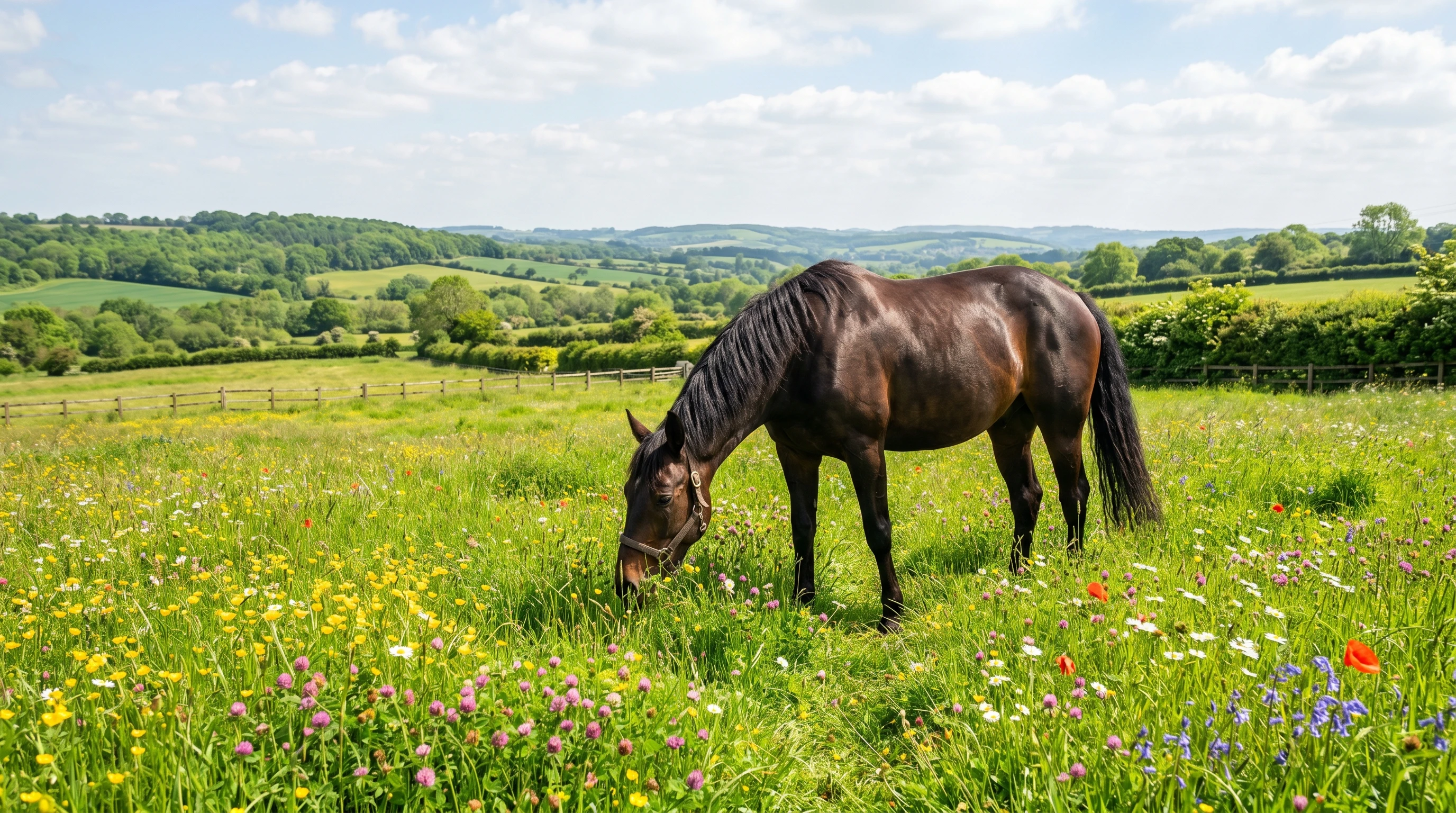
Why a Spring Detox Matters for Horses
After months of limited turnout, dry forage, and often less exercise, horses tend to collect various “sludges.” Think sluggish digestion, buildup of minor toxins from grains, hay dust, and even leftover medications. Some horses also develop dull coats or mild lethargy that can slide under the radar. A spring detox is more than just a buzzword; it’s about helping horses transition smoothly to the fresh grass, more movement, and increased daylight that spring brings.
A healthy digestive system is key for all equine health. Horses have delicate digestive tracts that need a bit of support as they switch up from winter diets to those fresh spring grasses. Some owners spot improvements in skin and hooves after a detox, as waste products that build up over winter get processed out.
The idea of “detoxing” isn’t just popular in natural horse care circles. Equine nutritionists often mention how the liver, kidneys, and gut all work together to handle natural toxins from plants, remnants of dewormers, and feed additives. A spring detox gives these organs a helping hand as horses’ routines change with the season. Over time, I’ve noticed horses seem more energetic and ready for the new season when their bodies aren’t bogged down by leftovers from winter.
Getting Started with an Equine Spring Detox
There’s no single all-in-one detox program for horses because every horse has different needs, histories, and pasture access. In my experience, the best results happen when you take a look at each horse’s habits, any health concerns, and the surrounding environment.
- Check Current Diet: Take a fresh look at what your horse is eating. Is it mostly hay or are concentrates involved? Is there a lot of grain, or do they get only forage?
- Assess Body and Coat: Does your horse seem a little bloated? Are there any skin or hoof changes? A quick evaluation now can help you track progress over spring.
- Review Recent Health History: Horses just finishing up any medications, worming, or vaccines often benefit from supportive care for the liver and gut.
- Observe Attitude and Energy: Some horses get cranky or extra lazy with spring changes. Noting changes in energy or temperament can indicate underlying issues.
Deciding on a detox plan can be as simple as adding a supportive herbal supplement or as involved as changing up the whole diet. For first-timers, I find it’s easiest to keep things straightforward with a few gradual tweaks, which can be more effective and less stressful for your horse.
Quick Guide to a Spring Detox Routine for Horses
Spring detox routines don’t need to be complicated, but a little structure goes a long way. Here are some simple steps that work for most horses:
- Transition Slowly to Spring Grass: Sudden turnout on rich new grass can trigger colic or laminitis. Start with short grazing sessions, gradually increasing over 2 to 3 weeks.
- Add Digestive Support: A quality probiotic or prebiotic helps horses’ guts adjust to new forage and can prevent bloating or diarrhea.
- Consider Liver Supportive Herbs: Herbal blends with milk thistle, dandelion root, or burdock are handy for horses coming off medication or those with dull coats.
- Offer Plenty of Clean Water: As temperatures rise, so does the need for hydration, especially with added grassy greens.
- Feed AntioxidantRich Foods: Sprinkling ground flax or chia seeds on feed is a great way to add omega3s and keep the skin and coat looking fresh.
Sticking to these steps gives most horses a helpful reset and makes the season change much smoother. If you have several horses, making minor tweaks to each horse’s plan based on their unique needs helps you get the best results.
Factors Worth Considering Before Getting Into a Detox Plan
Not every horse needs the same kind of spring detox. There are a few things I always keep in mind before recommending or starting any changes to a horse’s routine.
- Preexisting Health Issues: Horses with liver problems, metabolic disorders, or digestive sensitivities might need professional guidance before starting any herbal or dietary detox plans.
- Recent Medical Treatments: If a horse has just finished antibiotics or a deworming cycle, some extra digestive and liver support can be useful, but always check with your vet for timing and safety.
- Paddock and Pasture Conditions: Muddy or overgrazed fields can harbor lots of parasites, so it’s a good idea to include deworming checks in any spring plan.
- Diet Changes: Introducing supplements, especially herbs, should be done slowly, and it helps to only make one change at a time. That way, it’s easier to track what’s making a difference.
Preexisting Health Problems
Not every detox supplement or food fits every horse. Horses with insulin resistance or Cushings disease, for example, react very differently to dietary changes and unfamiliar herbs. I work closely with my vet when I’m unsure or when a horse has a known health condition. This step ensures the detox supports the horse’s health rather than complicates it.
Transitioning to Grass
Pasture turnout is an exciting sign of spring, but abrupt changes from hay to grass often upset even hardy horses. Easing horses into new forage is really important. I like to keep grazing limited at first and use a grazing muzzle if a horse tends to overeat. Paying attention to how your horse reacts during this period helps prevent bigger problems down the road.
Supplement Quality
The supplement market for horses is huge, so careful research helps buyers make informed decisions. I look for reputable labels and talk to my vet about combinations, especially if the horse is on any other medications. Quality control matters, because some herbal products are way more reliable than others. Owners might also check reviews and check in with other horse owners for useful recommendations.
Tips and Tricks for an Easier Detox
Over the years, I’ve picked up a few helpful habits and strategies that make the spring detox routine go more smoothly. Here’s what’s worked best for me and others:
- Split Up Feedings: Smaller, more frequent meals help digestion, especially when introducing new supplements or forage.
- Track Progress: Jotting down notes about coat shine, weight, manure consistency, and mood helps spot improvements or early problems.
- Cycle Supplements: I avoid giving the same herbs for long periods. Cycling them (for example, two weeks on, one week off) keeps their effects noticeable and helps avoid overdoing it.
- Brush Regularly: Regular grooming helps shed winter coats and gives a fresh look to horses coming out of winter. Grooming also offers time to check for skin issues or bumps left behind as winter ends.
Even small tweaks to the basic routine add up, especially when done consistently over a few weeks. Some owners also find it helpful to keep a wellness journal for each horse, noting subtle changes as the detox progresses.
Popular Natural Ingredients for Equine Detox
Many horse owners want to know which herbs or supplements actually pay off for a spring tuneup. Here are a few popular options I’ve worked with and seen good results from:
- Milk Thistle: Known for supporting healthy liver function, it’s pretty popular for horses after medications or deworming.
- Dandelion: Acts as both a gentle liver tonic and mild diuretic. Horses usually like the taste in small amounts.
- Slippery Elm Bark: Great for soothing digestive tracts, especially after a winter of lots of dry hay.
- Ground Flaxseed: Omega3s help skin and immunity, and the fiber is handy for supporting manure quality during diet transitions.
- Chia Seeds: Similar to flax, adds a boost for the coat and hooves.
Check with your vet or an equine nutritionist before starting anything new. This is super important for horses already on medication or managing chronic health issues. Herbs may interact with certain drugs, so double-checking is essential for safety.
Common Questions About Spring Detox for Horses
Question: How long should a spring detox last?
Answer: Most horses do best with gentle changes over 2 to 4 weeks. Quick cleanses or abrupt diet changes can cause stomach upset or stress. Monitoring progress is the best guide for timing and helps you adjust if needed.
Question: Does every horse need a spring detox?
Answer: Not all horses need a detox every year. Horses with steady diets and no recent treatments might do fine with just a slow return to fresh grass and some routine grooming. Consider the individual’s history and current health when deciding.
Question: Are over-the-counter detox supplements safe?
Answer: Many are fine for most horses, but some contain fillers, too many herbs, or potentially unsafe combinations. Stick with reputable brands and check for reviews from other horse owners or a recommendation from an equine vet before choosing a product.
Handy Uses for a Spring Detox Approach
Detox routines fit a range of real world situations. For horses coming off a layup or a tough winter with lots of grain, a detox can help clear out the “cobwebs” and refresh their system. Competition or trail horses returning to work also benefit from extra digestive and kidney support, since added exercise means more metabolism byproducts to clear out.
- Post Medication “Reset”: Helps horses coming off antibiotics or heavy deworming rounds get back in balance.
- Poor Coat Recovery: Some horses just don’t bounce back as winter ends. A simple detox plan can help their coat and skin snap back faster, giving them a healthier glow in the warmer months.
- Support During Grass Transition: Adding digestive support or antioxidants means fewer cases of mild colic or loose manure as horses adjust to lush spring pastures.
Finding a rhythm with spring detox allows horse owners to work with, not against, the natural cycles of the year. Owners who time these routines well often see their horses with shinier coats, more spring in their step, and better overall health when the busy riding season begins.
Wrapping Up
A little planning goes a long way with horses, especially when the seasons flip from winter to spring. Making small, steady changes in feed, adding supportive herbs or supplements, and checking in on horse health day-to-day are my favorite strategies for helping horses feel great. Horses seem to “wake up” with a spring detox, and their extra shine and energy is proof enough that a few thoughtful changes pay off. Giving your horse this yearly boost is a simple way to support their overall health and get the most out of the spring and summer ahead.
Leave a Reply