Living close to the land has a way of switching up my sense of time. The farm doesn’t care about deadlines or digital reminders. It’s in tune with subtler signals; the pace of grass, the coolness of dew on bare feet, the chatter of birds at dawn. Even the look of the soil after a late-night rain sets the mood. Midway through this year’s growing season, I’ve been reflecting on what the farm teaches me. Some lessons are fresh, others are old friends, but all shape how I move forward here at home.
Recognizing Progress in Small Increments
I’ve noticed that progress on the farm rarely comes in grand, eye-catching moments. There isn’t always a big reveal or finish line. Instead, change happens in quiet observations: growth that’s hard to spot day by day but obvious after a few weeks. One thing I’ve stumbled upon this season is the value in noticing the little changes. Tomatoes go from spindly to sturdy almost overnight, and a chicken that seemed off last week is now strutting around confidently.
Getting the Most from a Late Start
This year didn’t kick off with a picture-perfect planting schedule. Between juggling off-farm work and the brand shift that’s still in progress, I sowed a bit later than planned. I fell behind, but the farm didn’t mind much; seeds don’t stress about the date as long as they get what they need. The herb beds are coming along, even though I am still tucking in starts as I get to them and I am faithful the late summer garden will be plentiful.
Sometimes, waiting for the “right” time is just procrastination disguised as planning. I’m learning to work with what I have and not let a less than perfect start keep me from putting seeds in the ground. Plants are forgiving if you meet them halfway, with water, sunlight, and a little luck.
Seasonal Changes and Daily Routines
Every season gently requests its own routines. Right now, I’m up early to beat the midday heat, checking thirsty patches and refilling water buckets. Afternoons are for shade and slower tasks: stirring up herbal blends, pulling up the grass that sneaks into the pathways, or simply sipping sweet tea near the chickens and watching their antics.
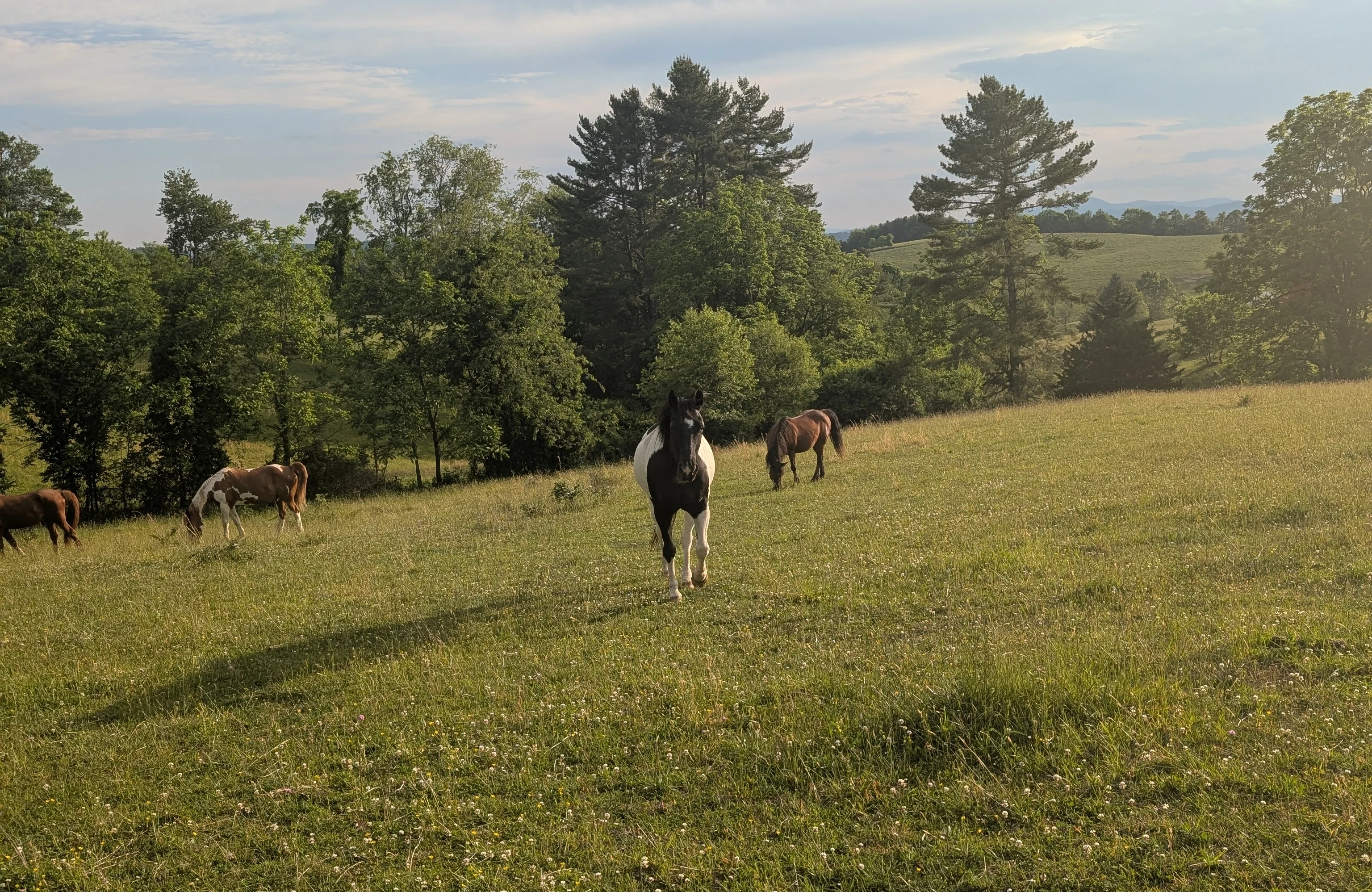
The animals, especially the birds and horses, run on their own seasonal clocks. The hens lay more eggs now that daylight lingers, and the horses graze peacefully after dusk when the air cools. Syncing up my day with these natural rhythms, rather than the clock, gives life here a more genuine and less rushed feeling. There’s real comfort and satisfaction in getting in tune with these patterns.
Lessons the Land is Teaching Me
- Respect the Small Stuff: Even the tiniest plants or insects show what is going right or wrong. Noticing more bees in the clover patch means the pollinator garden does its job.
- Adapt, Don’t Over-Control: My plans for the season don’t always match what the weather delivers. Rolling with what the land gives, instead of trying to micromanage every detail, generally brings better results.
- Give Before I Get: Healthy soil is the foundation for a good harvest. Spending extra time amending beds, and mulching, even if the results don’t appear right away.
Animals as Teachers
Animals have a knack for drawing my attention to things I might overlook otherwise. The horses especially teach me about the importance of daily consistency. Watching how they respond to regular routines—same pastures, gentle approaches, same order of chores—makes clear how much calm steadiness matters. If anything’s different, or off routine, they spot changes immediately. That has taught me the value in the steady rhythms of nature and embracing it.
Connecting More Deeply With the Farm Community
This year, I’ve leaned into the local farm community in fresh ways. Instead of teaching, I pour that energy into sharing what I’m learning through our little pop-up farm stand, blog posts, and trading tips with homesteading neighbors. There’s power in these simple exchanges: swapping herbs for honey, sharing advice about powdery mildew, or chatting about new bugs that are showing up this season.
I’m getting more active online, too—sharing observations, small victories, and setbacks, and connecting with others who know what it’s like to pin their happiness on things beyond their control. The support that comes from knowing others face similar weather or also run out late at night to check the animals when the wind or rain gets up is a comforting place to seek understanding. We lift each other up by sharing the ride.
Supporting Land, Animals, and Myself
With the full swing of summer heat, much of my work focuses on hydration and wellness—plants, animals, and me. Buckets need filling twice daily. We will be setting up a water bar station soon for homemade herbal blends to give a boost in the hot stretch. Leaning towards an assortment of peppermint, calendula, and a splash of apple cider vinegar to help keep them cool and well-hydrated.
I’m also testing out mulches, looking into rain catchment, and shifting chores to cooler hours. Most of this is trial and error; what works this year isn’t always what worked last. Each experiment brings new insight for the next season, and that steady test-and-learn process is part of the farm’s wisdom.
Looking Ahead on the Farm
Every season comes with bumps and highlights. The more I pay attention, the more I realize how much the land still has to teach me. These field notes are not just about charting what works, but also about recognizing what is changing, and adapting in response—whether that means tossing in another row of seeds, adjusting a routine, or simply staying present long enough to see growth take root.
If you are growing anything this season or just following along, I hope these lessons spark ideas and give a bit of encouragement. There’s wisdom in tuning in to quiet growth, going with what the land serves up, and rolling with each season as it comes. Here’s to learning, adapting, and growing—one field note at a time.
Leave a Reply