Keeping horses hydrated is something I pay close attention to, especially with all the new research that’s come out lately. Hydration plays a huge role in their performance, comfort, and overall health. What’s interesting is that the latest equine research is revealing that it’s not just about the number on the water bucket; it’s about a bunch of different factors that all tie together.
Why Equine Hydration Matters More Than Ever
Hydration impacts just about every system in a horse’s body. Water keeps joints cushioned, muscles working smoothly, and digestion running. But when a horse loses water and electrolytes, especially in the heat or during hard work, they can run into trouble fast. Research shows even mild dehydration can hurt a horse’s concentration, stamina, and recovery after exercise.
What surprised me is how quickly fluid balance can change with changing weather, activity, or feed. Horses can lose gallons of sweat per hour in some conditions, and each drop is packed with sodium, chloride, potassium, and other electrolytes. When those losses aren’t replaced, problems like muscle cramps, “tying up,” and poor gut movement can crop up.
Understanding the Building Blocks: Fluids and Electrolytes
Current studies highlight that hydration isn’t just a water story. Electrolytes like sodium, potassium, magnesium, and chloride play just as big a role. These minerals help move fluids in and out of cells, keep the nervous system firing, and regulate heartbeat and sweating.
- Sodium: This is the main driver for thirst. If there’s not enough sodium, a horse might not drink even when they’re dehydrated.
- Potassium: Super important for muscle health. Deficiencies can show up as muscle weakness or even a sluggish gut.
- Chloride: Works alongside sodium to keep fluid levels steady.
- Magnesium: Not usually lost from sweat, but if it drops, nerve and muscle function can be affected.
Signs of Dehydration: What To Watch For
Modern research still backs up classic signs, but new monitoring methods are making things simpler. Here’s what I look for when I’m checking if a horse is getting enough fluids:
- Dry or tacky gums
- Dry, firm manure
- Sluggish skin pinch test
- Sunken eyes or dull attitude
- Reduced urine production
Portable tools like skin sensors and rapid electrolyte blood tests are starting to pop up in the clinical world. These make assessment more objective, though nothing beats daily observation and knowing your horse’s normal habits.
Big Takeaways From Recent Hydration Research
I’ve picked up a few science-backed insights that are worth sharing:
- Voluntary water intake is surprisingly variable. Studies show some horses will drink plenty, while others just sip at the trough, even under identical conditions.
- Palatability matters. Water that’s too warm, very cold, or smells odd (like from a metal trough or algae) can turn horses off from drinking.
- Adding salt to feed is super useful. The act of eating salt, more than just offering a block, can drive thirst and boost water intake after meals.
- Electrolyte supplementation can be important during heavy work or heat. Research supports short-term supplementation, especially when horses will sweat a lot or travel.
Adjusting Hydration Routines: What’s Working On Real Farms?
On my place, a few practical tweaks have kept our herd drinking more consistently:
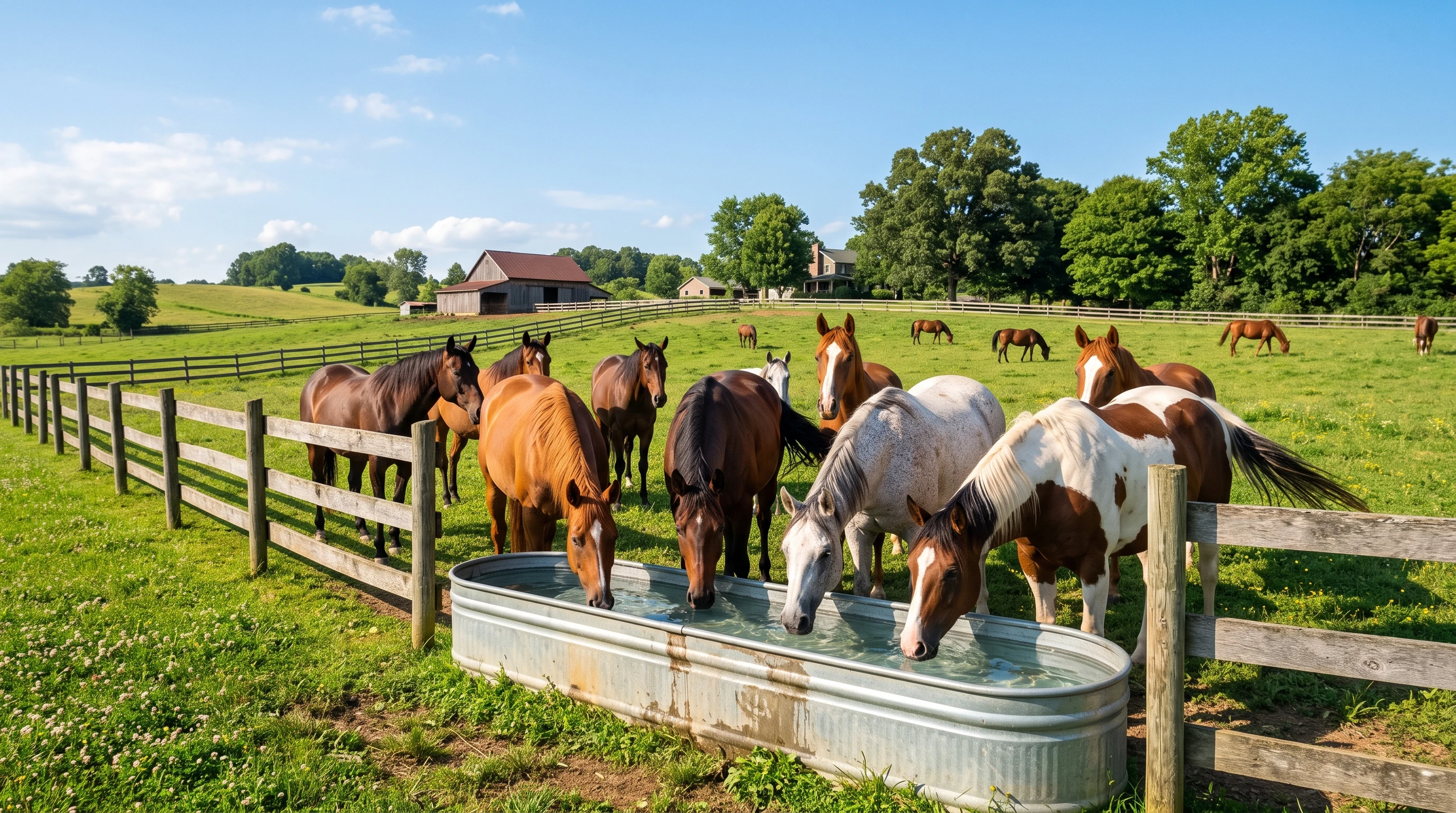
- Placing multiple water sources around the turnout to avoid crowding
- Offering loose, free choice plain salt year round (not just blocks, which some horses rarely use)
- Scrubbing buckets and troughs often, especially after algae blooms in summer
- Change water regularly so it stays fresh, especially when horses are picky
I also noticed that soaking hay cubes or beet pulp before feeding can boost water intake for horses who don’t always drink much at the trough. Research is showing this extra water in the food can be really helpful for senior horses or those recovering from colic.
When Extra Electrolytes Are Needed
- Horses in light work usually get what they need from a good mineralized salt and their daily food. But with hot weather or hard work, studies suggest a little extra in the feed or water makes a difference.
- Electrolyte powders can be added to meals or offered as a side dish in a separate bucket
- Look for formulas that are mostly sodium chloride, not sugar or flavoring agents
- Always keep plain water available, since making all water “electrolyte flavored” can sometimes reduce intake
It’s also a good idea to match supplements to activity and actual sweat losses. Too much electrolytes in a couch potato horse can even mess with mineral balance over time.
Troubleshooting Picky Drinkers
If I have a horse that just refuses to drink away from home or after a trailer ride, I’ll sometimes bring a bucket from home or “flavor” water with a splash of apple juice or a pinch of salt. Recent research shows familiar tastes or smells can encourage nervous or fussy horses to drink when traveling or showing.
There’s also evidence that introducing horses to flavored or unfamiliar water in small amounts at home, before the stress of travel, works better than waiting until you’re actually on the road.
Weather and Hydration: What Science Says About Seasons
Hydration needs switch up with the seasons. Horses sweat more during summer, but cooler temperatures can be just as risky because horses might not feel as thirsty. Water intake often drops in winter, setting up for impaction colic or sluggish digestion.
Heated water buckets, keeping troughs free of ice, and adding water to feeds are all easy ways to gently push up water intake when the weather cools off.
More Than Just Water: The Role of Diet and Management
Feeding matters a lot. A diet that’s mostly hay means horses have less water in their gut compared to when they’re on fresh pasture. Research suggests that wetting down hay or offering soaked hay cubes or pellets can support gut health and prevent dehydration, especially for horses with a history of colic.
Routine dental checks, minimizing stress, managing herd dynamics, and providing shelter help reduce the risk of dehydration. Horses that can relax and eat and drink in peace do a lot better in the long run. I’ve noticed that allowing horses free access to shade on hot days and providing windbreaks in winter further encourages healthy drinking patterns. The key is keeping things as comfortable as possible so drinking is easy and stress-free.
Herd dynamics also play a role; timid horses sometimes avoid water if more dominant horses guard troughs or buckets. Setting out water in multiple areas gives all horses a fair chance. Keeping minerals and salt accessible also helps every horse meet their hydration and electrolyte needs. These small swaps can head off bigger issues before they start.
Frequently Asked Questions On Equine Hydration
How much water should an average horse drink per day?
Most horses need around 5–10 gallons of water per day under normal conditions. This can nearly double during intense exercise or very hot weather.
Do all horses need electrolyte supplements?
Not necessarily. Lightly worked horses on a balanced diet rich in forage usually get enough from their feed and salt. Electrolyte supplements are more useful for athletes or those in prolonged heat.
Is it bad to add flavorings or sweeteners to water?
Not at all, but keep in mind it is important to always provide clean fresh water. Flavored water should be offered as enrichment or as a special treat, not the primary water source.
What’s the best way to encourage horses to drink more?
Keep water fresh, provide plain loose salt along with blocks, and wet down hay or feed. Every horse is different, so paying attention to what works for your herd is really important.
Making Hydration Management Part of Everyday Horsekeeping
The most effective hydration plans aren’t fancy. They’re regular, hands-on, and tailored to the horses you care for. I stick with simple, research-backed habits: keep water buckets sparkling clean, watch each horse daily, and don’t be afraid to try something new if a horse acts off.
This new research is showing me that hydration means adapting to both science and the individual quirks of every horse. If you’re ever unsure, a quick chat with your vet or a trusted equine nutritionist can help you tweak your routine for the better. Healthy, happy horses always drink a little more. Sometimes all it takes is a bit of creative thinking and close observation. By staying alert and making small, thoughtful changes, you can keep every horse hydrated, healthy, and thriving all year round.
Leave a Reply