Horses can struggle when summer temperatures rise and the sun is blazing. If you’re someone who enjoys time in the barn or out riding, you’ve probably noticed just how quickly heat can wear down your horse. Protecting horses from heat isn’t just about comfort; it’s about keeping them healthy and safe. Here, I’m digging into what really helps when it comes to managing horse care during hot weather.
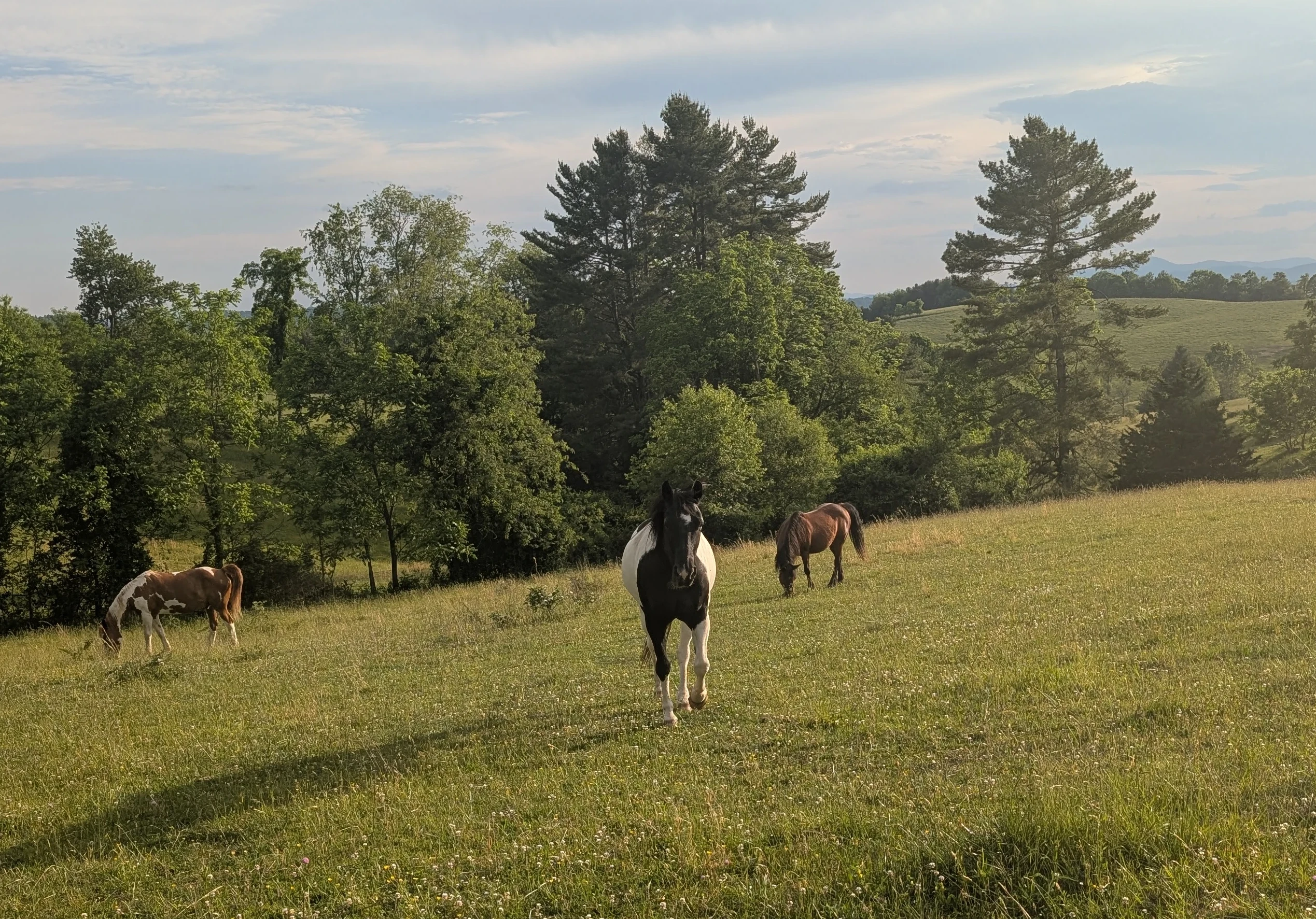
Why Heat Protection Matters for Horses
Sweating is a big part of how horses cool off, but it’s not always enough, especially if they’re working hard or when humidity hangs in the air. Heat stress can hit fast, leading to trouble like dehydration, heat exhaustion, or even heat stroke. These aren’t small risks. Horses may show signs like heavy breathing, unwillingness to move, or excessive sweating. If things get really bad, a horse could collapse, so spotting the early warning signs is really important.
Understanding how heat and humidity work together helps a lot in keeping your horse safe. The heat index combines temperature and humidity into a single number that tells you how hot it actually feels outside. Horses are especially at risk when the heat index hits above 150. For example, if it’s 85°F and 70% humidity, that’s already too warm for hard exercise.
Practical Steps: Ways to Help Your Horse Beat the Heat
Keeping horses cool isn’t too complicated, but you do need to be ahead of the game. Here are some practical ways I keep my own horses comfortable on the hottest days:
- Always Provide Shade: If your horse lives outside, solid shade is a must. Whether it’s a run-in shed or a huge tree, shade helps them escape direct sun. In the barn, good airflow or fans make a huge difference.
- Offer Plenty of Water: Horses can drink up to 15 gallons a day during hot weather. Check water troughs or buckets often, at least twice a day. Clean buckets regularly since algae grows faster in the heat and nobody likes warm, smelly water.
- Add Salt for Hydration: Electrolytes help horses drink more, so a plain salt block or adding electrolytes to feed is smart. I notice my horses are more eager to drink when they get a bit of extra salt, especially after sweating.
- Adjust Turnout Schedules: Morning and evening are better times for turnout when it’s cooler and less buggy. During the hottest part of the day, bringing horses into a shaded or climate-controlled barn protects them. I prefer giving them free choice access to these cool spots, so they can decide when they want to escape the heat.
- Slow Down Exercise: On really warm days, skip jumping or hard workouts. If you need to ride, keep sessions short and mellow. There are always groundwork or easy trails in the shade that can stand in for intense training.
- Use Hose Baths and Misting: Hosing off a sweaty horse quickly cools them down, but always scrape the water off to avoid trapping heat. Misting systems are helpful if you have many horses or want steady cooling in a barn.
Understanding the Heat Index: Choosing Activities Wisely
It’s tempting to stick to your riding or training plans, but it helps to stay flexible when the forecast looks brutal. Checking the heat index before planning anything with your horse is a habit worth picking up. There are free websites and apps that make this easy. When the combined temperature and humidity are high, I swap riding for grooming sessions, groundwork in the shade, or even horse enrichment activities that don’t require a lot of physical effort.
Sometimes, just hanging out quietly with your horse or teaching a simple new trick can be a great use of a too-hot day. Horses don’t mind a break, and it’s a good chance to get creative with your training. As always, keep an eye out for any heavy breathing, bright red gums, or signs the heat is getting to your horse—these are signs to cool down fast and call your vet if things don’t improve.
Hydration and Nutrition During Hot Weather
Water trumps everything when it comes to hot weather care. I always double-check that every horse has access to clean, cool water. Automatic waterers are handy if you have lots of horses, but if you use buckets or troughs, checking them often becomes routine.
Salt intake is essential too. Horses can sweat out minerals quickly, especially those working extra hard or out in strong sun. Loose salt or salt blocks are a constant in my setup. Electrolytes are worth adding for horses that sweat a lot or seem picky about drinking when it’s hot. For those who want to add a fun twist, water buffets with cooling herbs or floating treats, give hydration and a bit of mental stimulation at the same time.
If you want more ideas for horse enrichment, I share some of my favorite easy DIY recipes and seasonal blends on my Buy Me a Coffee supporter site. This week, I’m sharing our herbal Summer Meadow Blend. It’s perfect for mixing up treats your horse will love.
Heat Stress Warning Signs
Knowing what heat stress looks like can make all the difference. Early signs include excessive sweating, flared nostrils, rapid breathing at rest, or a horse that suddenly refuses to move. Some might act wobbly or look out of it. If you see any of these, act quickly: move your horse out of the sun, hose them down, and contact your vet for directions. I keep a digital thermometer in my barn so I can check for fevers easily. A horse’s normal temp is 99°F to 101.5°F; anything above that after heat exposure is a good reason to call your vet.
Common Challenges When Keeping Horses Cool
- High Humidity: Horses have trouble evaporating sweat to cool off when humidity is high. That’s when shade and airflow matter even more, and early morning or evening rides are your best bet.
- Working Horses: If your horse is in a lesson program or show schedule it’s easy to overdo it. Look for alternate activities on hot days or schedule work during the cooler hours.
- Travel: Horses traveling in trailers during summer can get dangerously hot, fast. Open vents and windows, avoid hauling during the hottest part of the day, and always pack extra water for the road.
- Elderly or Overweight Horses: Older horses or those carrying extra pounds are at higher risk for heat stress. These horses need careful watching, even if they seem comfortable.
Shade and Shelter
It’s really important to make sure outdoor horses have solid shade. Thick trees, run-in sheds, or even temporary canopies all work. Not all pastures come with tree cover, so I’ve set up simple shelters with canvas tarps for hot days. Inside, fans help a lot, but always be sure cords are out of reach and everything is safe from curious horses.
Misting and Hose Baths
On the hottest afternoons, a bath or mist with cool water can bring down a horse’s temperature fast. Remember to use a sweat scraper to remove extra water so it doesn’t trap heat next to the skin.
Final Thoughts
Summer with your horse doesn’t have to feel like a chore. Paying attention to the weather, being ready to change up routines, and making hydration a priority means your horse can stay comfortable, even when it gets steamy. It’s all about watching, listening, and enjoying those sunny days in ways that keep everyone safe. If you want to see more DIY enrichment ideas or check out some fun summer recipes for horses, check out the supporter site. There’s always a new treat or trick worth checking out, and your horse will definitely thank you on the next hot day.
Extra tip: Don’t forget fly control. Flies get busy in hot weather, so using fly masks, fly sheets, sprays, and keeping the manure picked up around the barn will make things more comfortable for your horse. Sometimes a few small changes make the hottest days much more manageable for horses and humans alike.
Leave a Reply