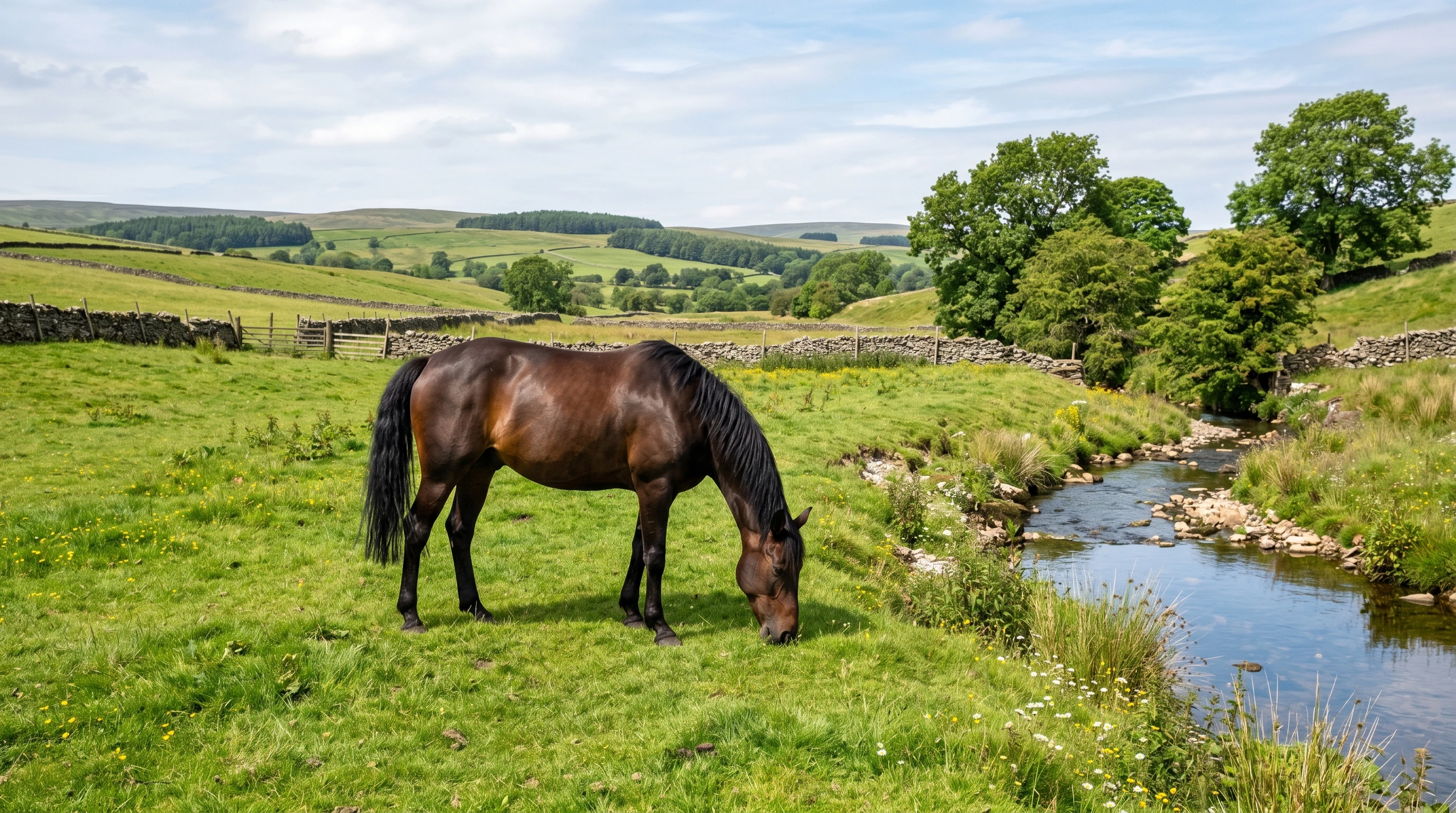
 Supporting your horse’s natural detoxification isn’t about fancy products or strict regimens. It’s about understanding your horse’s needs as the seasons change and making easy everyday adjustments to help their body work its best. Horses have a natural ability to detox, but modern living, including grain rich diets, medications, and less grazing time, means a little extra support can go a long way.
Here’s an all-in-one guide to simple, practical steps for helping your horse detox gently, whether after winter or following treatments and medications. None of these require overhauling everything at once, and most are just tweaks to your current routine.
This guide is designed for curious owners looking to support their horse’s health in a way that’s easy to start, flexible, and fits real barn life. There are no magic bullets here—just practical advice you can trust.
Step 1: Check Your Horse’s Current State
Before making any changes, I always take a good look at how my horse is doing right now. Getting a baseline helps spot improvements, or if a new approach isn’t working out:
- Look over the diet; what hay, pasture, grain, or supplements are being fed currently?
- Check the body condition. Is your horse looking lean, a little chubby, or just right? Is the coat shiny or dull?
- Hoof health—any flaring, cracks, or increased sensitivity?
- Notice energy and temperament. Is your horse more sluggish, moody, or more excited up than usual?
- Consider any recent medical stuff like deworming, vaccines, or antibiotics.
I always jot down a few notes. A photo and some quick details in a notebook make tracking progress a whole lot easier.
Step 2: Factor in Individual Needs
Every horse is a little different, so what works for one won’t always be the best move for another. Some questions I ask to keep my detox plans realistic:
- Any chronic issues (Cushing’s, laminitis, ulcers, or metabolic syndrome)?
- Has there been a recent course of medication (like pain meds or antibiotics)?
- How lush or weedy is the pasture, and what’s the parasite situation where you live?
- Is my horse known for being “easykeeping” or sensitive to feed changes?
For horses with health conditions, I check with my vet before making major changes. Their advice really helps adjust the plan to suit specific risks.
Step 3: Ease Into New Grass and Forage
Spring grass is likely high in sugar and can be dangerous, leading to colic or laminitis:
- Start with short turnout sessions.
- Increase gently over two to three weeks, while monitoring how your horse reacts.
- Use a grazing muzzle for horses that get heavy or are prone to laminitis.
- Keep an eye out for softer manure, tender feet, or a “footy” walk. Any sudden changes mean pulling back for a few days.
Switching forage gradually always pays off with less digestive upset and happier horses in the long run. If you’re transitioning between hay types, overlap the old and new for at least a week to maintain gut stability.
Step 4: Support Digestive Health
A healthy gut is the backbone of detox. Your horse’s digestive tract works around the clock breaking down toxins, roughage, and all the other stuff that passes through. Here’s what I do to help things along:
- Introduce a probiotic or prebiotic supplement to improve gut flora. I start slow and watch for improved manure consistency and less gassiness.
- Offer free choice plain loose salt since salt supports hydration, which helps keep everything moving.
Good quality hay and consistent turnout also make a big difference. For probiotics and prebiotics, I always start with half the recommended dose and see how my horse does before increasing.
Step 5: Gentle Liver Support (Totally Optional)
The liver handles most detoxing in horses, especially after medications or major dietary changes. I’ll consider gentle herbal support if my horse recently had meds or is just coming out of tough winter months:
- Milk thistle (great for post medication support)
- Dandelion root (helps with appetite and digestion)
- Burdock root (known for supporting the liver and kidneys)
I always add one herb at a time and take breaks (like two weeks on, one week off). If there’s any sign of skin irritation or digestive upset, I stop and try something milder. It’s a good idea to keep your vet in the loop when adding herbs, especially if your horse has preexisting health conditions.
Step 6: Keep Hydration Up
Your horse’s natural detox system is super dependent on hydration. Without enough water, digestion slows down, and waste hangs around longer than it should:
- Fresh, clean water should be available 24/7, no exceptions.
- If your horse isn’t a big drinker, try soaking hay, offering wet mash, or adding a splash of apple juice to water buckets.
- Adding electrolytes (as recommended by your vet) during hot weather or intense activity can help with fluid intake.
Most horses drink more as temperatures rise and fresh grass comes in, but checking buckets morning and night is always a good habit.
Step 7: Add Antioxidant Boosters to the Diet
Supporting the detox process with antioxidants doesn’t mean expensive powders. Keep it simple with these easy and available options:
- Ground flaxseed (omega3s help with skin and coat health)
- Chia seeds (good for inflammation and digestive regularity)
- Vitamin E or fresh leafy greens (spinach or turnip greens, for example), if your horse’s diet lacks pasture
These can be sprinkled into the daily feed for a tasty and nutrient rich snack. Start with small amounts to see how your horse responds and build up gradually.
Step 8: Adjust Feeding and Routine Gradually
Diet changes can shock the system, so slow and steady is always my rule:
- Break large meals into smaller, more frequent feedings if possible.
- Never change more than one feed or supplement at the same time.
- If you’re switching hay varieties or adding new supplements, overlap the old and new for at least a week.
- Be patient—give your horse’s digestive system at least two weeks to adjust to each change.
This method keeps your horse comfortable and gives you a chance to catch any problems before they get serious.
Step 9: Help the Body’s Natural Detox. Groom, Move, and Observe
Brushing doesn’t just keep your horse looking sharp. It stimulates circulation and helps loosen dirt, old hair, and even environmental toxins from the skin. Regular grooming also helps you spot small sores or unusual signs early.
- Brush daily when the weather allows. Focus on the belly, legs, and under the mane where dirt collects.
- Encourage turnout and gentle exercise to stimulate the lymphatic system and assist waste removal.
- Consider hand walking, light groundwork sessions, or longer relaxing trail rides to keep energy and spirits up.
The more your horse moves, the easier it is for the body to get rid of what it doesn’t need. Movement plays a key role in a healthy detox process.
Step 10: Watch for Progress and Make Notes
Every horse responds a bit differently. I usually track a few signs to see how things are going:
- Shine and texture of the coat
- Changes in weight or muscle tone
- Manure consistency (firmer, softer, less smelly)
- Energy and willingness to move
- Attitude and interaction with other horses
Jotting quick notes in a barn journal, or even snapping weekly photos, helps me spot small changes I’d miss otherwise. Consistent records give you a much clearer picture over time.
Step 11: Cycle Supplements and Observe Responses
If I’m using herbs or new supplements, I always use them for a short stretch (like two weeks), then pause for a week before starting again. I avoid long term daily use unless my vet recommends it, since even gentle ingredients can add up over time.
Common Questions About Horse Detox
Will detox herbs or probiotics make my horse act strange?
I sometimes notice looser manure or a little more energy when I start detox herbs or probiotics. That’s usually temporary. If behavior changes, especially if your horse seems uncomfortable or nervous, stop the supplement and check with your vet.
How quickly should I see results?
Some improvements—like a glossier coat or more energy—show up in a week or two, but others like stronger hooves or a better topline might take several months. Any fast, dramatic changes usually mean something isn’t right.
Are commercial detox kits safe?
I’m careful with detox products, especially those not recommended by a vet or nutritionist. Horses process toxins differently from humans, and natural isn’t always safer. If you’re curious, always check with an equine pro before starting anything unfamiliar.
Putting It All Together. Everyday Detox Basics
- Make slow, simple changes. No sudden overhauls.
- Track what you add to the diet and note any positive or negative changes.
- Use herbs and supplements in cycles, and pause to see how your horse responds.
- Always involve your vet for horses with health challenges or who are on medication.
- Stay observant—small, steady shifts add up to big health improvements.
Making horse detox an easy, gentle part of routine care keeps things safe, effective, and totally doable in a real world barn. With patience, observation, and a few smart changes, you can support your horse’s natural ability to thrive, from the inside out.
Leave a Reply