When it comes to taking care of horses naturally, herbal treatments can sometimes sound like a good alternative to modern medicine. People often turn to herbs for minor issues or as part of a wellness plan. Even though herbs can be helpful in some cases, not all of them are safe for horses. Some common plants and herbal remedies that work for people or other animals could end up causing problems for your horse. So, I want to walk through the types of herbs you really want to stay away from and why it’s worth paying close attention to what goes into your equine friend’s feed or supplements.
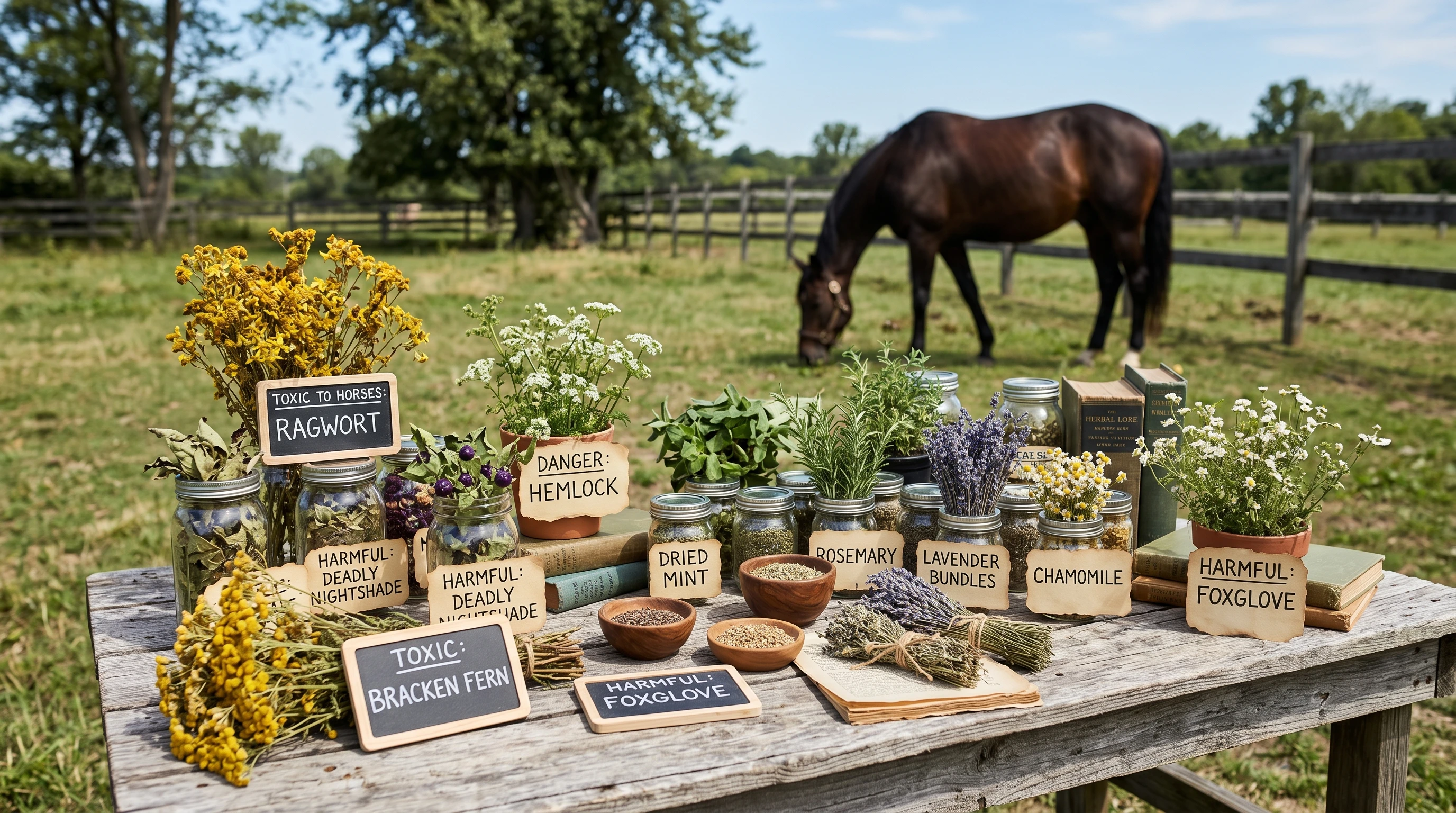
Why Herbal Remedies Can Be Risky for Horses
Herbs usually come with a “natural” label, so they might seem harmless. But horses react differently than humans or dogs, and their digestive systems process things in a unique way. What’s fine for one species can actually be harmful, toxic, or even life-threatening for another.
Some herbs can affect how a horse digests food, how their organs function, or even interact with regular medications. Horses have sensitive guts and livers, plus a tricky balance when it comes to their gut flora. So, it makes sense to stay cautious even with products that sound harmless or “all natural.”
It’s also pretty common for well-meaning horse owners to try home remedies or mix up herbal blends without checking if an ingredient is safe. This can sometimes end in expensive vet visits or worse. Doing a little homework and asking a knowledgeable vet before adding herbs to your horse’s diet is always a smart move.
Common Herbs and Plants to Avoid in Equine Care
Here’s a look at some herbs that you should keep away from horses. These plants might be used in supplements or just growing in pastures, so it’s really helpful to recognize the risks they bring.
- Comfrey (Symphytum officinale): Comfrey is used in human salves and teas, but it contains compounds that can damage a horse’s liver, especially when given over time.
- St. John’s Wort (Hypericum perforatum): This herb is often taken by people for mood support, but it can make horses super sensitive to sunlight and cause nasty skin problems, especially in light-coated horses.
- Avocado (Persea americana): The flesh, skins, and pits of avocados can be toxic to horses, causing colic, breathing trouble, or even heart damage. Avoid any supplements containing avocado oil unless you’ve checked with a vet first.
- Yew (Taxus species): Yew is actually a common landscaping shrub. Every part of it, especially the leaves and berries, is extremely poisonous to horses. Even a small amount can be fatal.
- Foxglove (Digitalis purpurea): Foxglove is a pretty, flowering plant sometimes found in gardens or pastures. It affects heart function and can cause irregular heartbeat or cardiac arrest.
- Ragwort (Jacobaea vulgaris): Ragwort is found in many pastures. Even dried in hay, it can build up in a horse’s system and cause irreversible liver damage over time.
- Aloe Vera: While people often use aloe on wounds or in drinks, for horses it can act as a strong laxative and sometimes lead to severe diarrhea or dehydration.
- Pennyroyal (Mentha pulegium): Pennyroyal oil or tea is sometimes marketed for fly control or as a tonic, but it can hurt the liver and kidneys in horses.
There are plenty of herbs that can fall into a gray area or vary depending on dosage, but featuring these on the big “avoid” list covers the most serious cases I’ve seen in equine care circles.
Hidden Dangers: Wild Plants and Pasture Weeds
It’s not just the herbs in supplement jars that matter. Many toxic plants can grow right in a horse’s paddock or found in their hay. Recognizing these unwanted plants helps prevent accidental poisoning before it happens.
- Buttercup (Ranunculus species): Horses will usually avoid eating fresh buttercup, but if the pasture is sparse, they might sample it. Buttercup can blister a horse’s mouth and cause digestive upset.
- Bracken Fern (Pteridium aquilinum): If hay or forages are short, horses may eat ferns, which can seriously mess with their thiamin levels and lead to neurological problems.
- Milkweed (Asclepias species): The whole plant can disrupt the nervous system and cause drooling, unsteady movement, or worse symptoms in horses.
Checking pastures and hay sources is a regular part of horse care, since dried plants can still carry toxins. If you’re not sure what something is, snapping a photo and asking a vet or an experienced land manager can help you avoid trouble before your horse eats something unsafe.
How Herbal Ingredients Affect Horses Differently
This is the technical side, but it really matters for horse owners. A horse’s digestive tract is huge and gets nutrients from fermenting fiber. Their liver and kidneys work at a pace designed for slow, constant input of grasses, not concentrated herbs in higher doses. Some plant chemicals that are safe in small amounts for people or dogs build up fast in horses and overwhelm their detox systems, leading to long-term damage.
Horses also metabolize medication differently. For instance, the liver enzyme pathways in horses can break down drugs and plant compounds slower than in other animals. This means even herbs given at so-called “normal” doses can end up lingering longer and create side effects or harm when not carefully monitored.
Certain herbs may also interact with prescription drugs, like sedatives, anti-inflammatories, or antibiotics. St. John’s Wort, for example, can block or boost how other medicines work, making health planning more complicated for your horse. Always talk with your vet if your horse takes medication and you want to add herbs.
Safe Herb Use: Tips for Horse Owners
- Research Ingredients: Always double check an herb’s safety with equine specific resources. Even common kitchen herbs might not be safe for horses.
- Ask a Professional: Chat with an equine vet or a qualified herbalist before adding new supplements or remedies.
- Start Slow: Introduce new herbs carefully and watch your horse for any reactions. Upset digestion, lethargy, or skin changes are good reasons to stop right away.
- Check Labels: Commercial supplements may contain hidden ingredients or blends that are not horse safe. Look for companies with transparent ingredient lists and genuine customer feedback.
- Monitor Pasture and Feed: Walk your pastures and inspect hay for weeds or unknown plants. Clearing these out is just as important as what you put in feed bins to make sure your horse stays safe.
Getting into the habit of reading labels and picking up a plant ID book is super helpful. If you’re ever in doubt, a call to your vet costs a lot less than an emergency visit for toxicity. Sometimes, simply asking an experienced barn manager can help you spot hazards in the field.
Other Things to Watch Out For With Herbs
- Pregnant or Lactating Mares: Some herbs that are safe for healthy horses can be risky if your mare is pregnant or feeding a foal. Blue cohosh, black cohosh, or even licorice root show up in some formulas, but they may affect hormones or milk production and should be avoided.
- Performance or Show Horses: Competition rules often ban certain herbs that can affect behavior or drug test results, like valerian, poppy, or willow bark. If you show or race, check the rules before giving any herbal products to your horse and always use trusted, competition safe brands.
- Older Horses and Those on Medication: Senior horses or those taking prescription medications may process herbs differently. Herbs like ginger or ginseng can thin the blood or raise heart rates, which isn’t ideal for horses with existing conditions, so extra care is needed in these situations.
Pregnant Mares and Herbal Blends
Pregnancy comes with its own set of risks. Many herbs, even ones that seem harmless, could affect the uterus or hormone balance. Always get advice before adding anything new to a pregnant mare’s diet, and stick to feeds designed for broodmares from trusted brands. Some herbal blends advertise support for fertility or birth but can actually cause complications, so using only vet approved feeds is safest.
Show Rules and Restricted Herbs
For those involved in showing horses, rules around what you can and can’t use in feed or supplements change often. Even herbal ingredients can show up in blood or urine tests. Performance enhancing or calming herbs are often watched closely, and what seems natural might get your horse disqualified. Always double check with your show’s governing body and use supplements that are competition safe and certified by equine authorities.
Frequently Asked Questions
Some common questions always seem to pop up when it comes to herbs and horse care, so here’s a quick breakdown of things I think owners might wonder about:
Question: Can I use the herbs I put in my own tea for my horse?
Answer: Not always. Some herbs that are gentle for humans, like chamomile or peppermint, can be safe in tiny amounts. But other herbs, such as comfrey or St. John’s Wort, can hurt your horse. Always check with an equine expert before sharing your tea herbs with your horse.
Question: Are fresh and dried herbs equally risky?
Answer: Both can cause problems, but drying sometimes concentrates plant toxins. Ragwort, for example, is just as dangerous in dried hay as when growing. Proper plant identification is always important, so keep a field guide handy or take photos for your vet if you’re unsure about a plant in the pasture or hay.
Question: What should I do if my horse eats something unsafe?
Answer: Call your vet immediately with details about what your horse ate and how much. Early action is really important. Don’t try to treat it with home remedies. Quick intervention can make a big difference in recovery and outcome.
Question: Are there safe, recommended herbs for horses?
Answer: A few herbs, like slippery elm or rose hips, are commonly used in small amounts under vet guidance. Even with safer herbs, moderation and research always pay off. Remember, natural does not always guarantee safety, so double check before adding anything new.
Bottom Line: Safe, Informed Herbal Care for Horses
Staying informed about which herbs and plants to avoid can help keep your horse healthy and out of trouble. Natural doesn’t always mean safe. Keeping a sharp eye on ingredients, doing a little research, and talking to professionals goes a long way in protecting your horse from the hidden dangers some herbs can bring. Keeping it simple and sticking to feeds and supplements with proven records of safety is usually the best way to go.
The world of herbal care for horses is huge. A little caution and curiosity will help you make the best choices for your horse’s wellbeing. Continue to ask questions, learn from equine experts, and trust in products and routines that keep your horse feeling their best and out of harm’s way.
Leave a Reply