Keeping a horse’s coat glossy, healthy, and comfortable is something every horse owner thinks about at some point. Shiny coats don’t just look good; they usually mean the horse feels good on the inside too. While there are plenty of commercial shampoos and sprays out there, herbal solutions can be a practical, natural way to give your horse’s coat a boost. I’m sharing my favorite herbs, why they work, and how you can easily use them in your routine to step up coat health from the inside and outside.
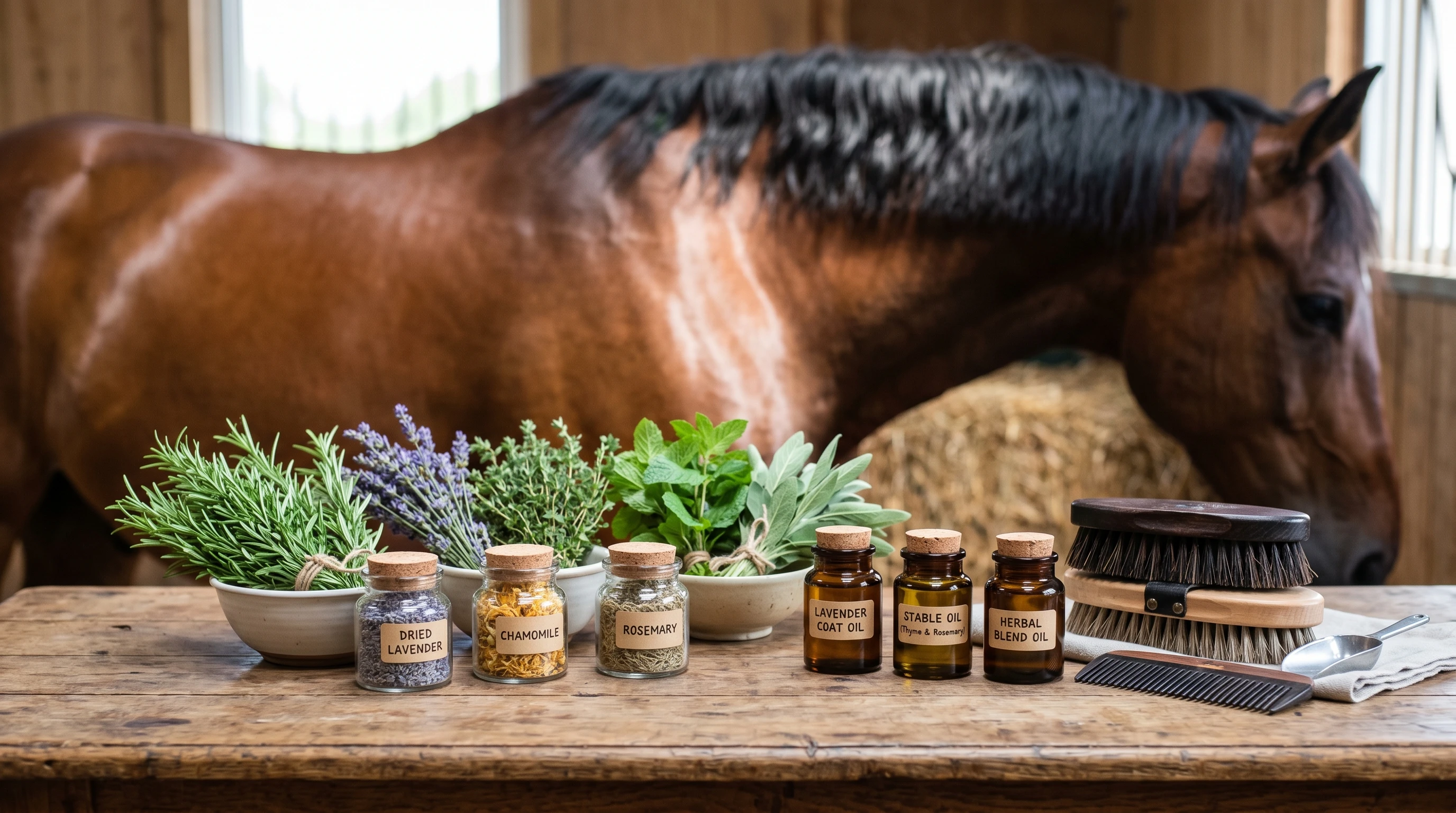
Why Focus On Horse Coat Health?
Coat health isn’t just about shine. The condition of your horse’s coat often gives you hints about what’s happening inside. Dull, rough, or flaky coats can be signs of diet issues, allergies, stress, or even disease. A soft, glossy, vibrant coat usually means your grooming and care approach is doing its job.
Over the years, I’ve noticed that horses with a glossy coat usually feel better overall. They have more energy, scratch less, and look more at ease. Regular grooming does help, of course. But what you put into and onto your horse makes just as much of a difference. That’s where herbal solutions play a role—they can help your horse’s immune system, skin health, and coat shine by working with what nature offers.
Top Herbs For Horse Coat Health
I’ve tried and seen several herbs give a visible boost to coat quality, so here are the top picks and why they’re worth checking out:
- Nettle: Full of vitamins and minerals (like silica and sulfur), nettle is great for supporting healthy skin, a full tail, and a shiny coat. Many owners add dried nettle or nettle tea to feed as a coat tonic.
- Fenugreek: Often used to encourage appetite, this herb is also handy for improving coat gloss and helping horses grow out patchy spots.
- Burdock Root: Used for years as a herbal “blood cleanser,” burdock is rich in antioxidants and can help with itchy skin or minor skin irritations, which often dull a coat.
- Chamomile: This calming herb can also soothe irritated skin (think rubs, nicks, or bug bites). It works well brewed as a rinse for horses with delicate skin.
- Calendula: These colorful flowers are famous for skin healing. Calendula flowers can be infused in oil to make a soothing rub for flaky patches or healing scrapes.
- Linseed (Flaxseed): Not strictly an herb but a staple for horse owners—linseed supports coat health, hydrates skin, and adds a sleek finish.
There are other herbs used for coat care too. Marshmallow root is sometimes chosen for soothing inflamed skin, and rosemary can be included in rinses for its refreshing properties. However, the ones above are the classics that tend to bring the most noticeable results.
Simple Ways To Use Herbs For Horse Coats
Adding herbs to your horse’s daily upkeep doesn’t have to be confusing. In my experience, these simple methods make a noticeable difference:
- Herb-Infused Oils: Infusing oil like olive or coconut with calendula or chamomile flowers makes a gentle, soothing rub for manes, tails, or dry skin spots. Apply a small amount and brush through for smoothness and shine.
- Herbal Rinses: Pour a strong tea made from nettle or chamomile over your horse after a bath for an herbal rinse. This calms irritated patches and leaves the coat soft and eye-catching.
- Adding to Feed: Sprinkle dried nettle, fenugreek seeds, or ground linseed onto daily grain. As always, start slow and ask your vet, especially if your horse is pregnant or has a health issue.
Introduce new herbs gradually, and make sure your chosen ingredients are safe for your horse’s age, breed, and health status. Double-check with a vet or equine nutritionist for peace of mind.
Getting Started With Herbal Coat Care
Starting herbal routines might need a little planning, but they blend well into existing grooming habits. Here’s a straightforward approach based on what’s worked for me:
- Pick The Right Herbs: Go for herbs with skin and coat support, like nettle, linseed, chamomile, or calendula.
- Decide How To Use Them: Herbal teas and rinses offer topical help; powdered or whole dried herbs go into feed if your horse doesn’t mind the taste. Oils are great for spot-treating rough skin.
- Test For Sensitivities: Always patch test. Dab a little herb-infused oil or rinse on a small spot. Watch for redness, itchiness, or swelling after 24 hours before using it widely.
- Stick With It: Herbal solutions work best with regular use. Daily or weekly treatments, depending on the method, tend to deliver steady results.
- Monitor Results: Notice any changes in hair texture, color, or skin quality. Sometimes, softer skin or shinier coats show up in a week or two; others may take a month as new hair comes in.
Things To Keep In Mind With Herbal Coat Care
Just like commercial products, herbal care isn’t a quick fix for everyone. A few things can make all the difference:
- Allergic Reactions: Most herbs are mild, but some horses have sensitive skin or unknown allergies. Start small and pay attention for any signs of irritation.
- Herb Quality: Choose dried, organic, or well-known herbal suppliers—herbs from unreliable sources can have contaminants or simply not work as well.
- Dosage: It’s easy to go overboard when adding herbs to feed. Shortlist small amounts and check with your vet if you’re unsure. Bigger isn’t always better!
- Check For Bigger Issues: Sometimes, a dull coat is a warning about something else. If herbs and good grooming don’t perk up your horse’s look, ask your vet for a full checkup.
Herb Infused Oil: My Simple Recipe
Put a handful of dried calendula or chamomile in a clean jar. Cover it with olive or coconut oil until submerged. Close the jar and let it sit for two weeks in a dark, cool spot. After that, strain out the flowers and store the oil in a fresh bottle. I use this on manes, tails, and flaky skin—just a little is all you need!
Herbal Rinse: Quick Method
Make a strong tea with chamomile or nettle (about 1 cup dried herb to 1 liter boiling water). Let it cool, strain, and pour onto your horse after a bath, or spray on during bug season. It feels refreshing and soothes the skin when sweat or dust cause irritation.
Adding Herbs To Feed: Easy Approach
Start with a tablespoon of ground linseed or a teaspoon of dried nettle in their grain. Mix with water or oil for picky eaters. Adjust amounts based on your horse’s weight—again, check with a vet when in doubt.
Boosting Coat Health From The Inside Out
Herbs shine brightest when paired with all-around good horse care. Nutrition, daily grooming, and a clean living space let herbal helpers do their thing. I focus on a balanced diet full of the vitamins and minerals horses need for glossy, resilient coats—zinc, copper, protein, and omega3 fatty acids from flax or chia seed are some of my favorite add-ins to keep hair in prime shape.
- Omega3 fats: Flaxseed oil is one of the easiest and most budget friendly ways to add these healthy fats to your horse’s meals for softer skin and a glossier coat.
- Vitamin E: Abundant in fresh grass, alfalfa, and many solid horse supplements. Vitamin E is excellent for keeping skin elastic and less prone to dryness.
- Clean Water: Hydration is the foundation of a soft, healthy coat. Regular access to fresh water can step up skin condition more than any topical product.
Real-World Tips For Common Coat Problems
If you’re working with particular challenges, here are some tried-and-true approaches:
- Dull or flaky coat: Add nettle or linseed to the diet and brush daily for about four weeks. This helps boost new hair growth and skin clarity.
- Mud fever or irritated skin: Use chamomile or calendula rinse on sore spots to soothe and support skin recovery. Make sure the area is dry before turning your horse out.
- Sun bleaching: Horses with dark coats often have lighter patches from sun. Feeding spirulina (a bluegreen algae, not an herb), or more protein can help the new hair grow in deeper and richer in color.
Another tip: For horses that struggle with rubs from tack or blankets, try using herbal oil as a light conditioner over those areas for some extra cushion and skin barrier support.
Frequently Asked Questions
Here are some questions people ask about using herbs for coat health:
Question: Are herbs safe for all horses?
Answer: Most horses do well with common herbs, but ask a vet if your horse takes medication or deals with ongoing health concerns. Some herbs aren’t a good fit for pregnant mares or those with kidney or liver issues.
Question: How long to see results?
Answer: Subtle changes like less itching or softer hair may show up in as little as a week. Bigger improvements in overall coat quality take around a month, especially as new hair comes in with seasonal shedding.
Question: Can I use herbal oils on manes and tails?
Answer: Yes, herbal oils are great for taming and smoothing long hair as well as calming dry or flaky skin at the roots or under the tail dock.
Making Herbal Coat Care Part of Your Routine
Stick with safe, reliable herbs, and keep an eye on how your horse reacts. That’s the best way to get the most from herbal coat care. My routine is simple: focus on a handful of trusted herbs, roll out changes slowly, and always maintain good grooming and feeding practices for extra support. Herbal tools naturally help horses look and feel great—and you don’t have to spend a fortune doing it.
Leave a Reply