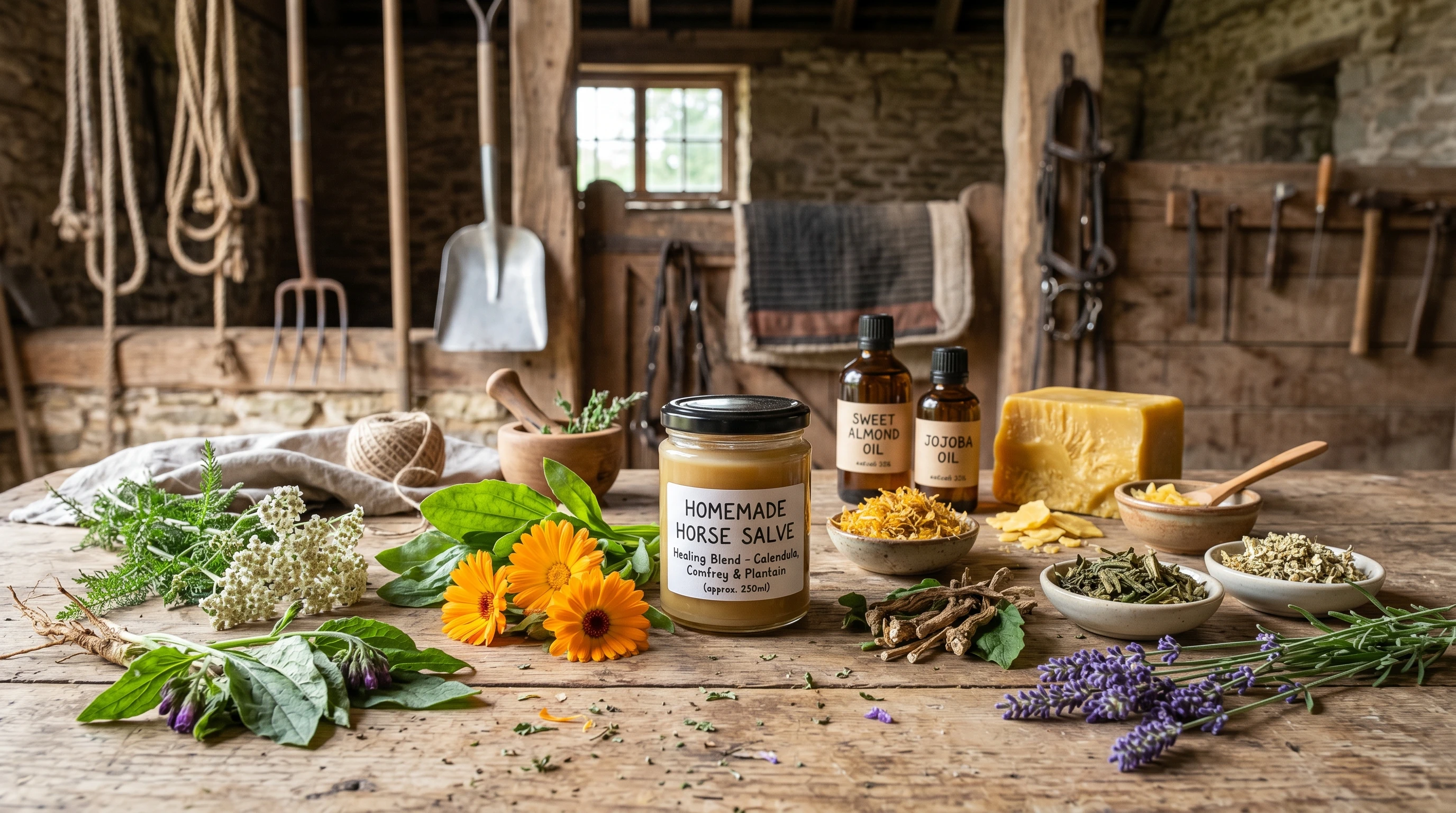
Homemade horse salves are pretty popular for good reason. Using time tested herbal ingredients gives you more control over what you’re putting on your horse’s skin, whether you’re dealing with scrapes, bug bites, or just want to keep skin soft and healthy. I’ve found that the right combination of herbs can really support a horse’s skin, and making your own balm saves money and avoids mystery chemicals found in some commercial products.
If you want to whip up your own, it helps to know the best herbs for horses, plus what each one actually does. Here’s a practical guide to my favorite herbal ingredients for homemade horse salve, how to pick and use them, and what you need to get started. Horse owners have been going back to these natural options for ages, trusting the gentle effects of plants on delicate equine skin. Let’s check out what makes these salves so useful in your barn routine.
Common Herbal Ingredients for Horse Salves
Calendula
Calendula might be the first herb I reach for when blending a salve for horses. It is known for easing irritation and supporting skin repair, which is super useful after scrapes or minor wounds. In my experience, it’s also pretty gentle, so even horses with sensitive skin can usually handle it well. You’ll often stumble upon calendula in basic first aid kits for a reason: it really helps soothe upset skin.
Comfrey
Comfrey contains a compound called allantoin. That’s the stuff that helps encourage new cell growth, making it a handy herb for minor cuts, bumps, or bruises. I use comfrey in small amounts and always make sure wounds are fully cleaned before applying, since you don’t want to trap any dirt in a quickly sealing cut. For horses, comfrey infused oil blended into a salve brings a bit of old school herbal care straight to your barn. Because this herb is so potent, a little goes a long way; always use with care and respect its strength.
Plantain
Plantain isn’t the banana, but the leafy weed you’ve probably seen growing in fields and yards. I love plantain for horses because it acts as a natural drawing agent. That means it pulls out heat or irritation from things like bug bites or splinters. If you gather some fresh leaves, rinse and infuse them in olive oil, and you’ll have a great base for a soothing, anti-itch salve. This herb is everywhere in the horse pasture, making it simple to track down for your homemade recipe.
Lavender
Lavender flowers bring more than just a pleasant scent. For horse skin, lavender acts as a gentle antimicrobial, helps calm inflammation, and can even deter a few insects thanks to its earthy aroma. I usually add a few drops of lavender essential oil for a finishing touch when mixing up a batch of horse salve. Horses respond well to lavender’s calming presence, which brings a bonus of relaxation during lotion application.
Yarrow
Yarrow is another classic. I use yarrow because it supports the natural stopping of minor bleeding and also helps skin bounce back from abrasions. Some horse owners keep dried yarrow flowers around specifically for salves and wash solutions when horses nick themselves in the pasture. Yarrow is easy to dry and store, making it an accessible addition to your herbal toolkit.
Why Use Herbal Horse Salve?
While plenty of off the shelf creams are on the market, homemade herbal salves give you control over ingredients. I like knowing exactly what goes on my horse’s skin. By choosing herbs based on specific issues, like itching, chafing, or small wounds, you can help support your horse in a practical, natural way. Even modern stables are going back to these recipes as more horse owners embrace gentle skin care.
- Herbal salves are easy to apply, cling well to the skin, and don’t run off as quickly in wet conditions.
- They’re budget friendly over time, especially if you grow or gather your own herbs.
- No questionable additives or synthetic scents mean less irritation for sensitive skinned horses.
Base Ingredients You’ll Need
Most horse salves start with a simple base. My go to’s include:
- Carrier oils: Olive oil, sunflower oil, or coconut oil are all good picks. They hold the herbal properties and help moisturize the skin. Choose what’s easiest to track down.
- Beeswax: This is what turns an herb infused oil into a solid, spreadable balm. Beeswax also has natural protective qualities for skin and helps your salve cling to the coat longer.
You can play with the ratios, but a standard blend is about 1 cup of infused oil to 1/4 cup of beeswax. Melt the beeswax with the oil, allow it to cool just a bit, then pour into containers. You can even add a few drops of vitamin E to give your balm a longer shelf life.
How to Infuse Oils With Herbs
Infusing oil with dried herbs is easier than you might think. Here’s how I usually do it:
- Combine your dried herbs with your chosen carrier oil in a glass jar.
- Set the jar in a warm, dark spot and let it infuse for two weeks, shaking it gently every day. If you’re in a hurry, heat the oil and herbs over a double boiler for about two hours. Careful to keep the heat gentle so you don’t fry delicate herbal compounds.
- Strain the herbs out, so you’re left with a smooth, golden oil full of herbal goodness. Now you’re set for mixing up your salve base.
Extra Additions to Consider
- Vitamin E oil: Adds an antioxidant boost and helps the salve last longer. It also offers added skin nourishment.
- Tea tree oil: A few drops work as a powerful antimicrobial, but keep it light, since horses have sensitive noses and skin. Always start with a tiny amount.
- Aloe vera gel: For sunburned or extra dry patches, a dash of aloe mixed into the salve can provide cooling relief. Aloe works well with plantain and calendula for next level cool comfort.
Pros and Cons of Herbal Horse Salves
Pros
- Natural ingredients are easy on horse skin
- Customizable blends for specific needs
- Fewer harsh chemicals or artificial fragrances
Cons
- Shorter shelf life compared to heavy duty commercial ointments
- Some herbs may irritate allergies (always spot test first)
- Making infusions takes a bit of time and patience
Tips for Safe Use
I always recommend testing a tiny amount before using any new salve on large areas. Watch for redness, itchiness, or swelling. If your horse has an open wound, make sure it’s fully cleaned and dry before applying any salve. If the wound is deep or shows signs of infection, call your vet first instead of reaching for your home apothecary. A little common sense goes a long way with homemade remedies.
The Takeaway: Simple, Nourishing Horse Care
Making horse salve at home is pretty rewarding, especially when you see your horse’s skin staying soft and happy. Calendula, comfrey, plantain, lavender, and yarrow are all really good picks if you’re just getting started. I like using high quality, dried herbs and natural oils for the best results. With simple ingredients and a bit of creativity, you can give your horse next level cool care right from your kitchen.
Have questions about a specific herb, or a favorite combination that works wonders for your horses? Drop a comment to share your experiences or swap recipes with other horse lovers. Happy mixing!
Leave a Reply