
Keeping horses naturally is something I’ve found both rewarding and challenging, especially when winter weather rolls in. Cold temperatures, frozen ground, and fewer daylight hours all mean you have to adjust your care routine to keep your herd happy and healthy. If you’re committed to natural horse keeping—letting horses live outside, move freely, and graze as much as possible—winter brings a unique set of things to manage. I’ve put together an all-in-one guide on practical winter pasture care tips for anyone looking to keep their natural management systems running smoothly through all those frosty months.
Understanding Winter Challenges in Natural Horse Keeping
Horses kept as naturally as possible spend a lot of time outdoors, relying on pasture, movement, and herd dynamics for health. In winter, everything changes. Snow or ice can cover pastures, limiting grazing. Grass that’s left over can lose nutrients, and horses burn more calories to stay warm. Mud, frozen ground, and shorter days are tough on both horses and pasture ecosystems.
Knowing the basics of what your herd needs during colder months will help you sidestep the most common problems. Horses tend to be pretty hardy, but they have got to stay dry and have access to forage and water. Taking stock of your property’s natural features, wind patterns, and pasture size gives you the info you need for better planning.
Getting Pastures Ready for Winter
Setting up pastures before winter hits is one of the best ways to avoid trouble later. Think about these factors to help your horses and land both get through the season in good shape:
- Rotational Grazing: Letting pastures rest between grazing times helps regrowth and can prevent overgrazing. Before winter, move horses off sections so grass can build up enough height to stay insulated under snow.
- Resting Paddocks: Designate one or more small sacrifice paddocks for winter turnout. This keeps horses moving but helps protect the main pasture from heavy winter trampling and mud.
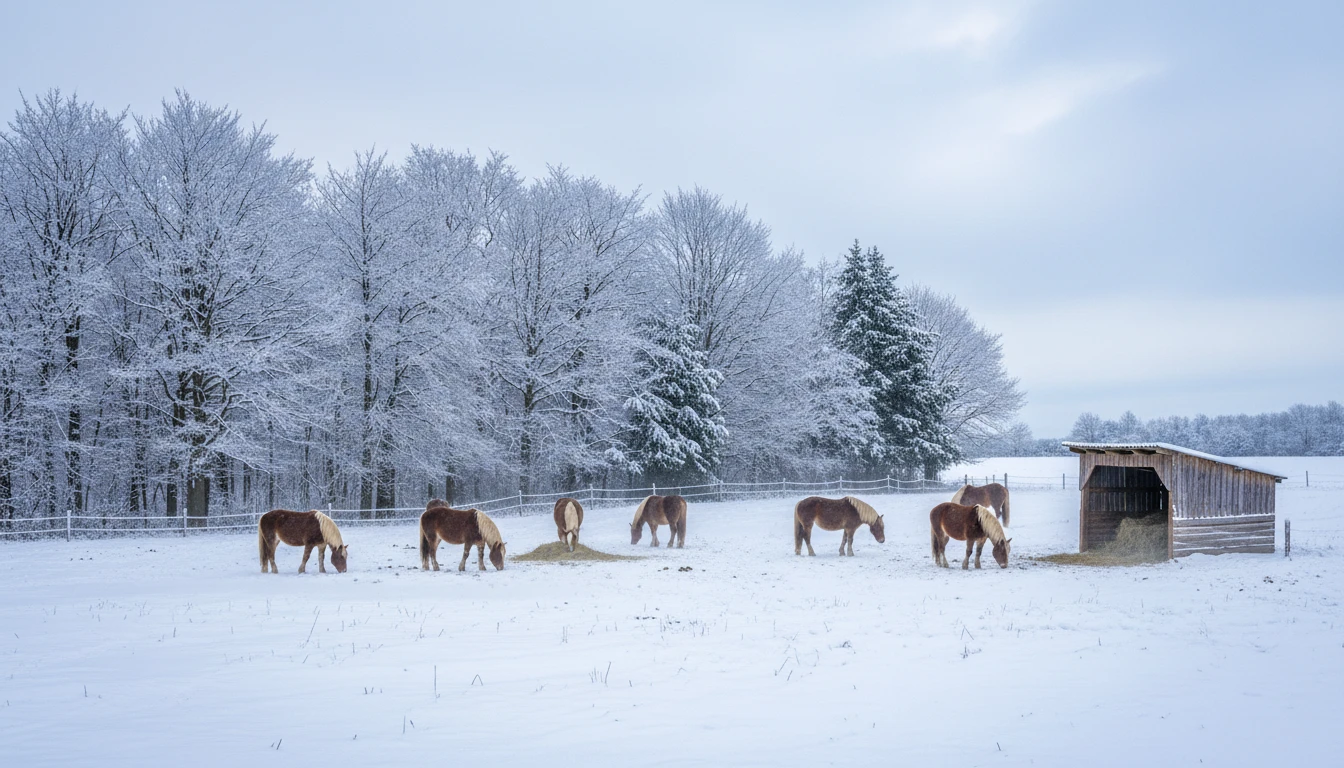
- Shelter from Wind: Natural windbreaks like trees or hedges are great, but you can also use temporary structures like snow fencing if geography is open. I prefer a three sided run-in shed for year-round shelter. This isn’t just about comfort. Shelter can reduce horses’ calorie needs by cutting wind chill.
Managing Forage and Winter Grazing
One big thing with natural horse keeping in the winter is balancing the need for movement and grazing with the need for good nutrition. As temperatures drop, grass will stop growing and lose much of its food value.
- Stockpile Forage: Letting certain pasture sections grow up in late summer and fall—without grazing—gives you stockpiled standing hay. Horses can dig through snow for this, and it’s a great way to mimic natural grazing behavior.
- Supplementing with Hay: There’s almost always a point in winter where you need to put out hay. Spread it in different places each day (rather than one big pile) to encourage movement and help prevent mud.
- Monitor Weight and Nutrition: As horses burn more calories to stay warm, check body condition at least every two weeks. Adjust hay and mineral intake as needed, and keep in mind that some horses (seniors, hard keepers) might need extra help.
It’s essential to step up regular monitoring of body condition. Horses can look fine with their winter coats hiding early weight loss. Feel for ribs underneath the coat and pay attention to any changes in energy. For those with easy access to browse, let them nibble on safe tree and shrub twigs for more natural nutrition.
Protecting Pasture Health During Winter
Part of natural horse keeping is caring for the land itself. Winter can be hard on fields, especially in regions where the freeze-thaw cycle creates mud or compacted ground. Here’s what works for me:
- Mud Management: Using gravel, geotextile mats, or heavy-use area pads at gates, feeders, and waterers cuts down on hoof damage and soil erosion. Move feeding spots often to limit tearing-up areas.
- Avoid Overgrazing: Keep horses off main pastures in wet or thawed conditions. Hooves churning up soft ground pull up grass roots and make it tougher for fields to bounce back in spring.
- Manure Control: Regularly picking fields helps reduce parasite load and maintains grass health. If that’s not practical, harrow pastures once fields are dry enough to avoid compaction.
Check your paddock boundaries for any holes or weak spots before the ground freezes hard. Repairing fencing in the fall saves stress later when conditions are icy or snowy. In muddy climates, using a layer of straw over high traffic patches can help keep mud and erosion under control. Try to rotate resting and feeding areas if space allows, which spreads wear and gives more sections a chance to recover come spring.
Keeping Water Flowing All Winter
Horses will still need plenty of water, and this is actually even more important in winter. Dehydration becomes a real risk when it’s cold because horses don’t always feel as thirsty, and frozen water sources can block access completely.
- Heated Buckets or Tanks: Choosing low-energy heaters in stock tanks or using insulated waterers can make a big difference. If power isn’t available, refill buckets with warm water a few times daily when temps drop below freezing.
- Breaking Ice Regularly: If tanks do freeze, break and remove the ice at least twice a day. Horses are much more likely to drink enough if water is easy to get.
- Monitoring Intake: Watch for signs that horses aren’t drinking enough, like dry manure or less frequent urination. Pinching the skin (turgor test) is also an easy way to check hydration. Adding a small amount of loose salt to their feed sometimes helps stimulate thirst.
If you can set up your water tanks in spots exposed to sunlight during the day, you may get a little natural warming, which can help with freezing. Even so, always have a plan for extra-cold nights. Check that tanks, pipes, and hoses are insulated or drained so that you aren’t stuck thawing frozen plumbing each morning.
Shelter and Wind Protection for Naturally kept Horses
Horses living outside benefit a lot from some type of shelter, even if they rarely use it. In natural setups, I focus on maximizing natural cover and adding simple structures only when necessary.
- Natural Windbreaks: Thick stands of trees, shrubs, or hills provide excellent protection from wind and blowing snow.
- Three Sided Run-in Sheds: If you don’t have good natural cover, a basic open front shed facing away from winds is usually all that’s needed. Make sure it’s dry inside and stays clean.
- Group Dynamics: In a herd, horses will often huddle together and shelter each other. Watch for signs that timid horses are being pushed out of shelter spots. Having several options around your pasture helps even quiet herd members find a spot.
Place sheds and windbreaks where they’re most effective, usually perpendicular to the direction of the toughest winter winds. Make sure you clear a safe, non-slippery path to these shelters, and check inside regularly to keep the footing dry and free from frozen manure.
Common Winter Problems and How to Avoid Them
Every winter seems to come with surprises, but I always plan ahead for these typical issues:
- Frozen or Rutted Ground: Ice and deep ruts can lead to horse injuries. Keeping entryways and high traffic spots smoothed out before things freeze helps a lot.
- Hoof Health Problems: Wet and muddy conditions can lead to thrush and other hoof issues. Try to provide dry ground in your winter setup, and pick out feet regularly to spot issues sooner.
- Too Little Forage or Hay: Horses can lose condition fast in freezing weather. Have extra hay on hand and don’t be afraid to bump up amounts when a cold spell hits.
Frozen or Icy Water
Even a couple of hours without water in freezing conditions adds stress for horses. I keep a close eye on all water sources, and top off with warm water as often as possible during extra cold snaps.
Trampled or Bare Pasture Spots
Designated sacrifice or high use areas are a major help for protecting larger pastures from long term damage. Using straw, gravel, or mats controls mud and erosion. When spring returns, I overseed these areas to get regrowth back on track.
Nutritional Gaps
Winter pasture and hay sometimes don’t provide all the minerals or calories horses need, especially for young or older individuals. I keep a salt block or loose minerals available, and talk to a nutritionist if I see any signs of poor coat, hoof, or weight maintenance. Keeping a record of weight and condition every couple of weeks gives you a bigger picture of how well your diet choices are working.
Advanced Strategies for Pasture and Horse Health
Once you’ve got the basics dialed in, you can give your natural system a boost with some next level steps:
Soil Testing and Reseeding: Checking your soil health before and after winter lets you adjust lime or fertilizer as needed for better pasture recovery. Overseeding bare patches in early spring helps keep fields healthy and productive year round.
Integrating Safe Weeds and Browse: Horses often self select twigs, bark, and shrubs in winter. Providing safe brush piles or encouraging species like willow can add some variety to their diet and support natural behaviors.
Monitor Movement: Keeping horses moving in winter helps their digestion, hoof health, and mood. If you’re using a track system, swap up the location of hay or water to encourage gentle, steady movement all day.
Team up with others in your area to share resources like hay deliveries or to brainstorm local solutions for unique winter challenges. Networking can help stumble upon fresh tips or new products you might not have heard about. For more ideas, check out local pasture walks or extension workshops, where you can ask pros about creating customized plans for your property and climate.
Frequently Asked Questions
Questions come up every year when I’m tweaking my winter horse care routine, and I get a lot from others who are new to natural management. Here are a few I hear most often:
Question: How much hay do naturally kept horses need in winter?
Answer: Most horses on pasture need around 2% of their body weight in hay per day as grazing falls off. That means a 1,000pound horse usually needs about 20 lbs of hay daily, or more during the deepest cold. Adjust as you track your horses’ body condition.
Question: Will horses dig for grass in the snow?
Answer: Yes, healthy horses can use their hooves to uncover stockpiled forage under light to moderate snow. Deep, icy, or crusted snow might limit their ability and require you to feed more hay.
Question: When should I restrict horses from the main pasture in winter?
Answer: I keep horses off fields whenever the ground is saturated or “squishy” to protect grass roots. Dry, frozen, or well-drained pastures can often handle turnout, but resting areas makes recovery easier in spring.
Final Thoughts on Winter Pasture Care for Natural Horse Keeping
Managing a natural horse keeping system in winter means keeping one eye on the weather and the other on both your animals and your land. Simple practices like rotating fields, offering shelter, and giving close attention to nutrition keep everything running smoothly. Every property and herd is a little different, so don’t be afraid to try out new ideas or talk with fellow enthusiasts for fresh solutions. Winter is a great chance to get creative, supporting your horses’ health and happiness all season long.