If you’re all about living in tune with nature, then natural horse keeping feels like the obvious choice for your equine partners. More than a trend, this way of caring for horses brings their environment and true needs into focus. It’s less about complicated routines and more about respecting the horse as a whole animal, body, mind, and spirit. As someone who values holistic wellness in my own life, extending those principles to my horses has made a huge difference in their comfort and overall wellness.
Why Natural Horse Keeping Appeals to Holistic Lifestyles
Natural horse keeping and a holistic lifestyle share the same central ideas: working with nature, seeing the whole picture, and aiming for lasting wellness over short-term quick fixes. What I’ve noticed is that once you start viewing your own habits and environment through a holistic lens, it’s almost impossible not to carry that approach into your horse care routine.
Natural horse keeping doesn’t mean going back to the Stone Age. It simply means using nature as a guide and respecting the needs horses evolved with. For holistic lifestyle advocates, this approach feels authentic because it prioritizes prevention, connection, and adaptability over rigid systems. It’s also a satisfying way to see how your values translate into real comfort and health for your horses, adding another layer of meaning to your everyday choices.
Whole System Thinking for Horses
The idea behind whole system thinking is pretty straightforward: everything is connected. When I look at my horse’s wellbeing, I don’t just see diet or exercise. I see how shelter, companionship, natural movement, fresh air, hoof care, and even my own stress levels impact their happiness and health. It’s as much about looking at my own routines as it is about my horses’. Their response to my energy and the environment reminds me how interconnected we all are.
This approach pays off. Horses kept with their full spectrum of needs in mind tend to be healthier, easier to work with, and less prone to those mystery ailments that can trouble more traditionally managed horses. I’ve seen fewer colic scares and less anxious behavior since embracing this mindset, and other people I’ve met through horse groups often report the same kinds of improvements after making these changes.
Keeping Things Preventive, Not Just Reactive
Holistic horse care is all about staying ahead of problems. In the same way I eat well and move to feel my best, I aim to set things up so my horses rarely need emergency treatments. Smart nutrition, regular dental checkups, natural parasite management, and safe turnout options cut down on chronic issues. Paying attention to the forage types available and making slight adjustments with seasons can work wonders for maintaining happy, resilient horses. It’s about thinking a few steps ahead and building routines that support health before problems crop up.
This mindset saves money and stress over time. Most importantly, my horses seem calmer and genuinely healthy, not just symptom-free on the surface. They’re less likely to need vet calls for colic, lameness, or other nagging issues, which in turn lets me spend more time actually enjoying their company.
Respecting the Horse’s Natural Behaviors
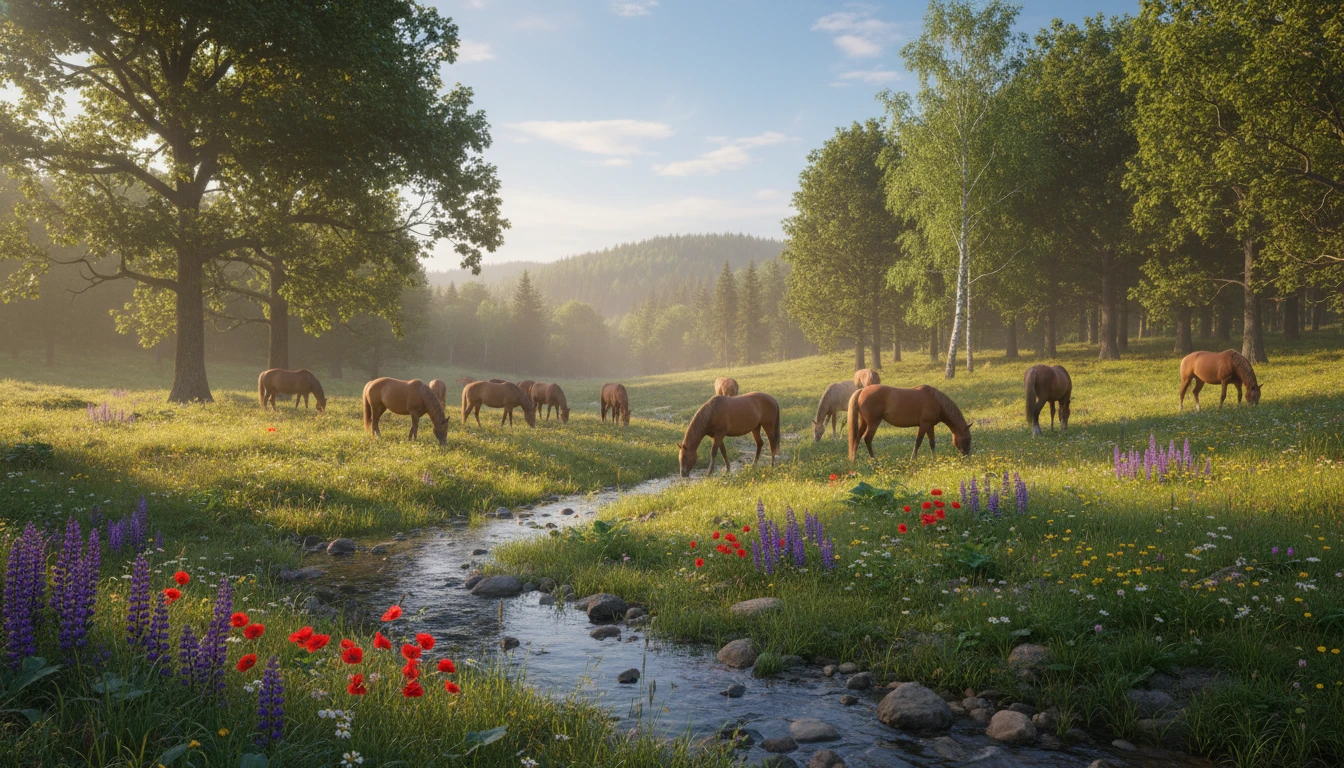
Horses are herd animals that roam and graze throughout the day. Natural horse keeping tries to mimic this as much as possible. My horses live outside with a small group and have access to shelter when they want it, rather than the other way around.
- Freedom to Move: I use paddock paradise or track systems so they walk and explore, which keeps them fit and mentally sharp.
- Continuous Grazing: I provide small, slow feeder hay nets to replicate natural foraging or rotational grazing depending on season and availability. This helps digestion and reduces boredom.
- Social Living: Horses form real friendships. Watching them groom, play, and nap together is a big reminder that herd life matters.
Letting horses move, eat, and socialize the way nature intended is a game changer for their attitude and comfort. In my experience, horses with the chance to interact naturally are also much easier to train and generally less spooky under saddle.
Mindful, But Not Extreme, Intervention
Living a holistic lifestyle doesn’t mean ditching doctors when you get an infection. The same goes for horses. I trust my vet and farrier to handle wounds, hoof trims, vaccines, and emergency care. But I also focus daily effort on resilient, happy horses who don’t need much intervention.
Supplements and alternative therapies play a role, but they’re never a substitute for basics like movement, forage, and comfort. I balance natural routines with professional support as needed. This blend offers both peace of mind and the confidence that my horses are truly thriving with the right mix of modern care and nature-inspired routines.
Process: How to Set Up a Natural Horse Keeping Environment
Getting started usually means breaking some old routines and looking critically at the horses’ current living setup. Here’s what worked for me:
- Evaluate Shelter: Switch from full-time stalls to run-in sheds and ample turnout. Horses do best with the option to come and go.
- Redo Fencing: Safe fencing for larger spaces allows for more movement and reduces injury risk.
- Set Up a Track System: Design a circular path with hay stations, water, obstacles, and different ground textures (gravel, grass, sand). This setup encourages natural movement and curiosity. Even a small property can be used creatively to give horses a richer environment and more freedom to roam.
- Provide Varied Forage: Use slow feeders with different grasses and hay. Scatter enrichment items like logs and mineral licks to keep them exploring. Mixing in different types of hay or making small “browse” piles encourages their natural curiosity.
- Encourage Barefoot Hoof Care: Many horses go barefoot with regular trims and rough terrain. If you ride on rough ground, hoof boots are super useful. Over time, barefoot hooves usually become tougher and healthier, as long as you work with an experienced barefoot trimmer.
- Prioritize Social Time: If you have one horse, consider a companion; goats, donkeys, or even another horse can help beat loneliness. A social buddy makes a big difference in reducing stress behaviors and improving your horse’s overall mood.
Every setup looks different, but the goal is to mimic the horse’s natural environment as closely as possible with the resources you have. Sometimes it’s just about making a few practical changes, like moving water stations further apart or rotating grazing areas to keep the fields healthy and horses active.
Everyday Natural Horse Keeping Habits
- Daily Checks: A quick once over to spot injuries, check water levels, and monitor behavior is easy but really important.
- Simple Enrichment: Change up hay locations, add safe logs or barrels, and offer hand grazing in different spots.
- Balanced Workouts: Natural environments keep horses in steady movement, so exercise can be lighter or more playful than in a stall and arena based setup. Building a mini obstacle course from logs or cones in the turnout area adds more variety.
- Embrace Seasonal Changes: I don’t over rug for cold weather, and I pay attention to mud and flies when it’s warm. Keeping turnout natural doesn’t mean ignoring comfort; monitoring weather and making smart adjustments is key. In summer, I set up extra shade areas using three sided run-in shed and access to tree coverage, while in winter, I make sure windbreaks and dry beds are available.
Things to Watch, Common Hurdles in Natural Horse Keeping
There are a few bumps along the way. Here’s what I’ve learned and some tips to keep things running smoothly:
- Mud Management: Wet weather can turn high traffic areas into ankle deep mud. Gravel pads at gates and water stations help keep hooves dry. If things get messy, rotating access points and laying down extra bedding can help in the short term.
- Pasture Management: Rotational grazing and reseeding protect against overgrazing and bare spots. Sometimes I use temporary electric fencing to give areas a break. It takes extra planning, but it really pays off in better pasture health over time.
- Parasite Control: Rotating pastures, using manure forks for regular cleanup, and periodic fecal checks go a long way. Blanket deworming is out; targeted treatment is friendlier to both the horse and the environment.
- Community Concerns: Not everyone understands or agrees with natural horse keeping. I talk to neighbors and other horse people about why I manage my horses this way, and I always welcome polite questions. Open communication smooths the way with people who might have concerns about shared fencing, water runoff, or appearance.
Frequently Asked Questions
Here are quick answers to some of the questions I get about this approach:
Q: Can every horse transition to barefoot living?
A: Most can, but it may take time and the right terrain. Some horses need boots for certain rides, and a knowledgeable hoof trimmer helps a lot. Gradual adaptation and patience are important for success.
Q: Is natural horse keeping more expensive?
A: Sometimes initial costs are higher (new fencing, shelters), but day to day care usually evens out or even saves money on bedding, grain, and vet bills. Long term, the savings from healthier horses can be significant.
Q: How do I manage horses in bad weather?
A: Good shelter is important; trees work, but sturdy sheds are better in storms. Most horses handle cold and rain surprisingly well if they’re well fed and have protection from wind. Blankets only when really needed, and careful observation helps spot when extra support is necessary.
Q: Will a natural environment affect training and riding?
A: Horses kept naturally are usually more relaxed and focused under saddle. They have stronger feet and better muscles from constant movement, too. Trainers often find that well adjusted horses from natural settings are easier to work with and have fewer behavioral issues.
Resources for Learning More
- Paddock Paradise by Jaime Jackson explains track systems to encourage movement and natural living.
- The Barefoot Horse is a great source for hoof care tips and community support.
- Holistic Horse covers nutrition, alternative therapies, and news from the natural horse keeping world.
- Equine Wellness Magazine features articles and case studies for all experience levels.
Switching to natural horse keeping isn’t about giving up modern tools. For me, it’s about making sure my horses’ needs are front and center so they can genuinely thrive. Matching my horse care with holistic values has been rewarding for us both, and I think it’s worth checking out for anyone who wants a deeper, more natural connection with their animals. If you want a horse program that’s all about health, respect, and real connection, this approach is definitely worth the effort.