
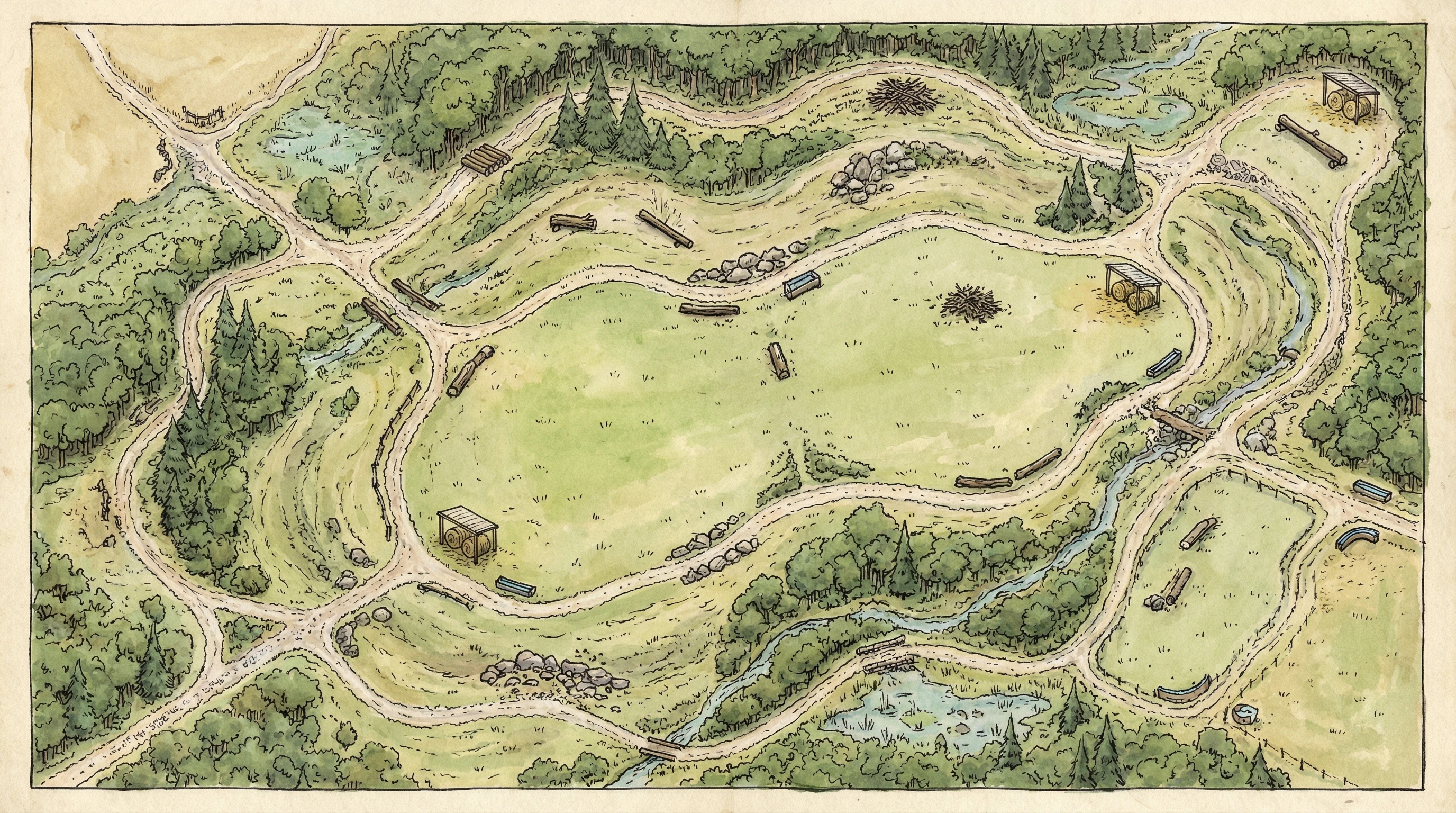
Creating a Paddock Paradise is one of the best ways I know to improve horse health, encourage natural behaviors, and make farm life genuinely more rewarding for both people and horses. It’s a system inspired by wild horse movement and grazing, replacing traditional rectangular pastures with tracks, obstacles, and enriched environments your herd will love.
Building a setup like this supports hoof health, encourages more natural eating patterns, and helps prevent the boredom that sometimes leads to bad habits in horses. Even if you’re working with a small property, it’s possible to shape your land for a happier, healthier horse experience, and you don’t have to spend a fortune to do it.
This guide covers all you need to know about setting up a Paddock Paradise, keeping it running, and understanding the principles that make it sustainable. If you’re new to the idea or ready to get into the details of your first track, you’ll stumble upon practical steps, maintenance tips, and answers to the most common questions right here.
Guess what? When you click and buy through our links, you’re doing more than improving your horse keeping. You’re supporting us in a way that doesn’t cost you extra but helps us continue fostering horses and educating horse owners. It’s a win-win for both of us!
Step 1: Understand the Basics of Paddock Paradise
Paddock Paradise isn’t just a track around your pasture. The goal is to copy how wild horses naturally move and eat, using fences or natural boundaries to create a looping route (“track”) that horses follow. Horses find a variety of surfaces, browsing areas, and obstacles along the way, which keeps them moving and mentally active all day long.
At its core, a standard Paddock Paradise usually includes:
- A single or double fenced perimeter that forms the main track.
- A central grazing area that may be off-limits or used for seasonal rest and rotation.
- Strategic placement of hay, water, minerals, and other enrichment to keep your horses on the move.
You can design tracks to fit nearly any property and adjust for as few as one or two horses on as little as an acre. Adapting to your existing land makes every setup unique and personal.
Step 2: Planning Your Paddock Paradise Layout
Start by walking your property and sketching where to put the track. The goal is to make the track as long and interesting as possible, given your land. Mix in turns, gentle slopes, and anything else to avoid straight and dull lines.
Key Planning Questions:
- What natural features like trees, ponds, and rocky spots do you want to bring into the design?
- Where are you going to install gates for simple access?
- How wide will your track be? (I usually say 10 to 20 feet, but you can shrink that for just a couple of horses.)
- Do you have shade or shelter on hand along the track?
Simple Layout Tips:
- Avoid placing water and hay side by side. Keeping them apart encourages movement.
- Set up at least 2 entry and exit points.
- Include a mix of surfaces—gravel, sand, soft dirt, or even safe rocky patches work great.
Step 3: Building Your Paddock Paradise Track
Once your track is mapped, you can start the actual setup. Here’s the basic process I follow:
- Set Your Boundaries: Use T-posts, wooden posts, or even poly wire fencing to form the track. No climb horse fence is very safe for long-term setups, but poly wire will make it easy to get started on a budget.
- Prepare the Track Surface: Remove tall weeds, sharp debris, and clear any hazards like old wire or holes. When you can, put gravel in muddy areas to help with footing.
- Install Gates and Crossings: Place gates where you’ll want to access the track for chores or emergencies. Consider adding pass-throughs so horses can move between loops or smaller holding spots if needed.
Adding Features for Enrichment:
- Logs to step over or circle.
- Sand piles for standing and rolling.
- Scrubby brush or trees for natural browsing and shade.
Step 4: Feeding and Watering – Where and How
Where you put hay, minerals, and water stations is key to making a Paddock Paradise function as intended. By spacing out the basics, you help horses keep moving without staying put in one place all day.
- Set water at one end of your loop, hay in several piles away from water, and salt or mineral blocks in a different spot.
- Switch up your hay feeding spots from time to time so you don’t wear out a single area.
- Treat waterers to prevent algae and ice year-round—clean, fresh water is essential no matter the season.
Step 5: Maintenance and Ongoing Care
Daily and weekly attention keeps your Paddock Paradise running smoothly. My usual routine includes:
- Manure Management: Pick up manure from heavy-use parts of the track a few times a week. Just a quick pass every other day keeps it clean and avoids compacted or boggy spots.
- Fence Inspections: Walk your fences weekly to double-check for loose wire, broken posts, or issues with poly wire.
- Track Repair: Rake over or fill in deep ruts, especially after downpours or snow melt.
- Hay Rotation: Switch up hay feeding areas to prevent worn patches and mud.
How Often Should I Rotate a Paddock Paradise?
Track rotation depends on your horse load, setup size, and climate. Most tracks won’t need rotation like a square pasture does, but consider letting small areas rest if you spot heavy wear. For a central grass area, wait until the grass is 6–8 inches tall before letting horses graze it down, then rest and regrow. If you’ve got more than one loop or mini paddocks, switch things up every couple of weeks, or as the vegetation tells you it’s time.
Step 6: Troubleshooting Common Issues
Too Much Mud?
Lay gravel, wood chips, or coarse sand in high-traffic spots to absorb moisture. Mud-control grids can help in persistent problem areas, like gate entryways.
Uneven Grass Growth?
If your horses graze the track down while the center turns into a wild thicket, let them in the middle briefly, then fence it off for regrowth. This keeps both areas healthy and gives your horses fresh greens at intervals.
Minimizing Weeds and Erosion
- Hand-pull toxic weeds right away, before they get a chance to spread.
- Broadcast native grasses or sturdy ground covers on exposed dirt to anchor the soil.
- Grade low spots so water drains off, helping reduce puddles and hoof problems on the track.
FAQs and Quick Tips
How big should my Paddock Paradise be?
You can make a fun and practical setup on just 1–2 acres for a couple of horses. More space and varied ground is great, but plenty of horse owners make small tracks work well too.
How much time does daily upkeep take?
Count on 15–30 minutes a day for feeding, water checks, and manure pickup. The happy, healthy horses you’ll get make every minute worth it.
Can I do this if my land is flat?
Of course! Add interest by putting out logs, sand pits, or feeding stations on opposite sides to get your horses walking. Plant hedges, line up barrels, or set cones for weaving challenges. All these ideas keep horses entertained and active, no hills required.
Will I need special permits?
Most of the time you won’t, but touch base with your zoning office if you’re planning big fencing jobs, adding new shelters, or want to install water lines. A quick ask up front can prevent problems later.
Your Next Steps Toward a Healthier Herd
Getting started isn’t as hard as you might think. Here’s a simple plan you can act on today:
- Walk your land and sketch a basic track route. Mark points for shade, water, and feeding.
- Pick one section to build first. You don’t need to finish everything at once—just start with a fun stretch horses can use for movement and enrichment.
- Place hay and water spots far apart from each other to start promoting more walking throughout the day.
Let your creativity guide you, and your horses will quickly show how much they enjoy a more natural, active lifestyle. If you’re just beginning, experiment and adjust as you go—every property is different and your needs might change over time. Happy building and enjoy seeing your herd thrive!