
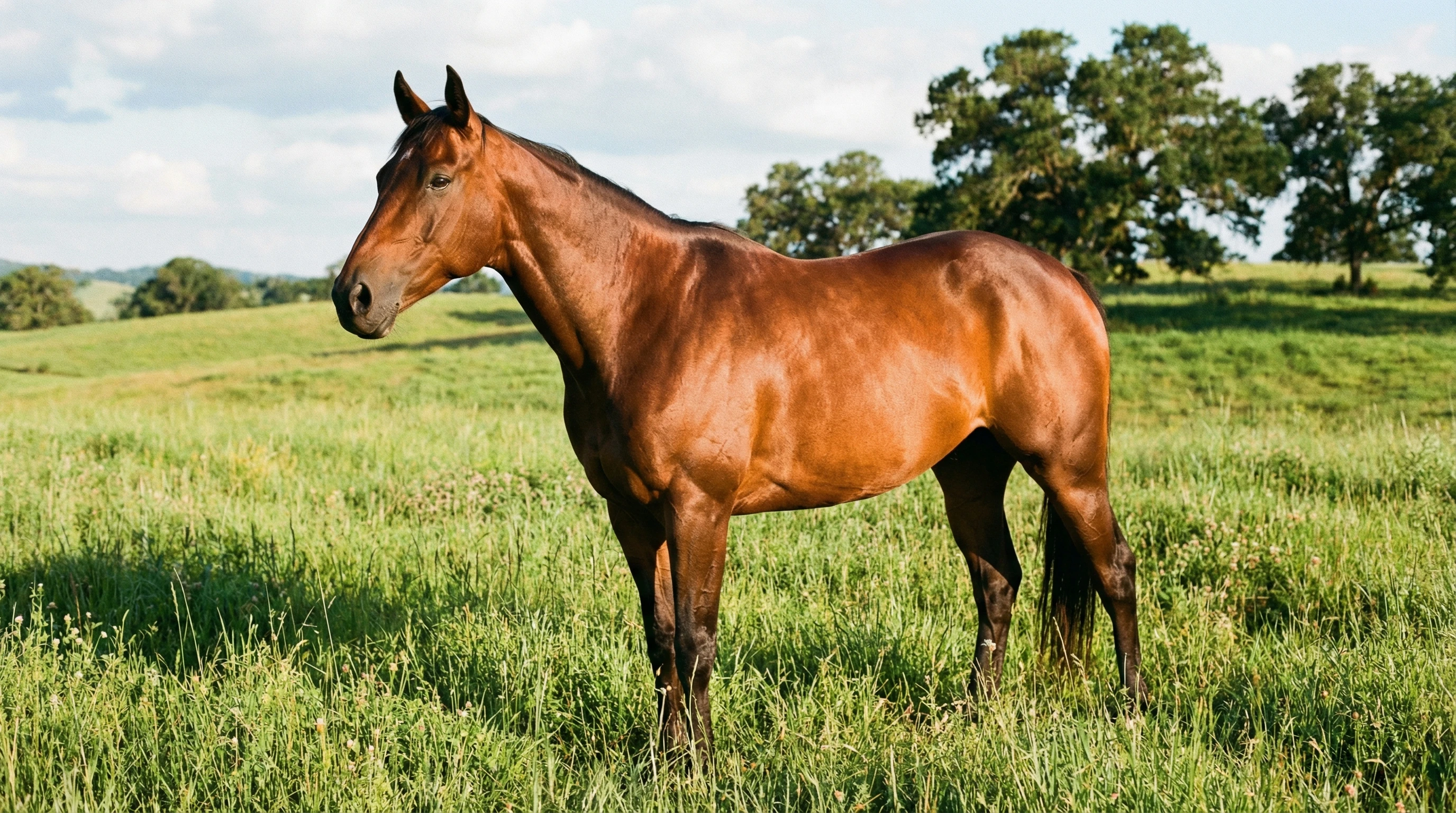
Keeping a horse healthy involves more than a quick once-over. Horses are pretty good at hiding when they’re not feeling their best. Because of this, being careful and attentive as you check their health is essential for owners and caregivers alike. Knowing what’s typical for your horse, checking regularly, and acting early when you spot something unusual are the keys to catching problems before they grow.
This guide covers practical steps for checking equine health, how to get to know your horse’s normal vital signs, and when it’s time to bring in a vet. These tips help you keep your horse as happy and healthy as possible, no matter your level of experience or how many horses you look after.
Understanding Baseline Health: Start With Your Horse’s Normal
Each horse is unique, so knowing your own horse’s everyday habits and typical vital signs makes it easier to notice when things aren’t quite right. This baseline is the single most helpful piece of information you can have as an owner and comes in handy for every aspect of horse care.
Why Baseline Vitals Matter
- Individual differences: One horse’s healthy temperature or pulse might not be the same as another’s. Tracking what’s normal for your horse means you can spot small issues before they get bigger.
- Early detection: Subtle changes in eating patterns, personality, or movement are often the first hints there’s something brewing.
How to Record Baseline Vital Signs
- Temperature: Most adult horses have a temperature between 99-101°F (37.2-38.3°C), but your own horse could run a bit higher or lower based on age, weather, and routine.
- Pulse: Typically 28-44 beats per minute, counted while the horse is calm and at rest.
- Respiration: Count breaths per minute; most horses fall within 10-24.
- Gut sounds and manure: Make notes on what’s typical for your horse when healthy—how much, how often, and what it looks like.
Track these numbers regularly and jot them down (in your phone or a notebook in the barn). That way, you can catch any strange trends quickly. Many owners find it helpful to use a wall chart in the tack room for quick reference, too.
Core Health Checks To Do at Home
You definitely don’t need to be a vet to spot most issues early. These simple checks are easy to work into your regular barn routine and provide loads of peace of mind.
Daily Quick-Check Routine
- Check appetite: Is your horse interested in hay, grain, or treats? A sudden shift can be a heads-up that something’s off.
- Look at water intake: Both drinking less and drinking a lot more than usual can be an indicator of a health issue.
- Check manure and urine: Are amounts, colors, and consistency as expected? Loose droppings, dry lumps, or extra strong-smelling urine are worth watching.
- Look at behavior and movement: Is your horse stiff, reluctant to walk, or favoring a leg? Acting withdrawn, standing apart from the herd, or spending time in unusual spots are red flags, too.
Hands-On Weekly Checks
- Feel the body: Run your hands all over to check for heat, swelling, bumps, wounds, or sore spots. This helps you catch minor injuries before they become major issues.
- Check eyes and nose: Eyes should be bright and clear, with minimal discharge. Nostrils should be free of thick mucus.
- Hoof check: Clean and inspect all four hooves for cracks, heat, foul odor, or stubborn stones.
- Gums and capillary refill: Gums should look pink and feel moist, bouncing back quickly after you press on them.
Tying these checks into daily grooming or feeding makes them routine—plus, it means you’re more likely to notice subtle changes. This habit saves you time and helps prevent costly problems down the line.
The Role of Routine Veterinary Care
Even though you can do a lot yourself, regular vet visits are still a must. A thorough yearly exam gives a vet the chance to get a good look at your horse and spot things daily checks can miss.
When to Schedule an Exam
- At least once a year, even if everything seems fine
- If you notice anything unusual during your daily or weekly routines
- Before starting a new feed program, supplement, or exercise plan
Double-check that vaccines and dewormers are current. If you’re not sure, your vet can help you track down past records and make a game plan for your horse’s specific needs.
Regular dental care shouldn’t be overlooked—most horses need a dental float at least annually. Dental issues can often cause changes in eating habits or behavior long before they’re obvious on the outside.
Spotting Early Signs of Health Issues
Spotting issues early means less stress for your horse (and your wallet). Here are common warning signs that you should keep an eye out for:
- Turning away from food or water when that’s unusual
- Extra tiredness, reluctance to move, or lying down more than usual
- Runny nose, coughing, or noisy breathing
- Puffy or hot areas anywhere on the body, especially legs
- Even slight lameness or an uneven walk
- Sudden mood changes or being hard to handle
Even mild changes can mean your horse isn’t feeling well. Write down anything different you notice, and don’t hesitate to reach out to your vet if things linger or don’t improve quickly.
Emergency Signs You Shouldn’t Ignore
Certain situations call for immediate vet attention. It helps to keep your vet’s number in the barn, in your phone, and with anyone who helps care for your horse.
- Missing meals or not drinking for more than a few hours
- Blood in manure or urine
- Major lameness or a sudden inability to walk
- Colic symptoms: pawing, rolling, sweating, staring at or biting the belly, or no manure
- Deep wounds that bleed a lot or expose tissues, joints, or tendons
- Sudden eye injuries or loss of vision
If you’re unsure whether a situation is urgent, call your vet and explain the details. Most vets would rather talk it over early than treat a crisis that could have been addressed sooner.
Building Good Habits: Keeping Health Records
Keeping records of your checks makes it a lot easier to pick up on changes. It also makes vet visits more productive and helps if someone else is caring for your horse. Your records can be quick notes on your phone, a binder, or a shared spreadsheet—whatever you’ll stick with is best.
Be sure to include:
- Dates for shots, deworming, dental visits, and hoof care
- Notes on small injuries, trims, or new foods
- Pictures of cuts, swellings, or visible changes for your own backup
These details form a complete picture of your horse’s health and are especially helpful in emergencies or when changes seem minor.
Troubleshooting: Common Questions About Horse Health Checks
What’s the best way to check my horse’s pulse and temperature at home?
- Pulse is easiest to feel under the jaw or at the digital artery by the fetlock. Count beats for 15 seconds, then multiply by four for a total per minute.
- For temperature, use a digital thermometer. Add a bit of lubricant and work slowly, asking for help if your horse isn’t used to rectal temps yet.
I can’t find a normal pulse. Should I be worried?
Don’t panic. Horses may be fidgety or nervous. Try again when your horse is relaxed. If you’re unsure, ask your vet to show you on your next visit so you can learn together.
How do I tell if a problem is serious?
If something feels off or seems urgent, call and ask. Trust your gut. Knowing your horse’s everyday habits is the best guide for making choices about when to take action.
Moving Forward: Making Equine Health Checks Easy
Keeping your horse healthy is about getting comfortable with their normal signs and mixing checkups into daily routines. A bit of prevention and sharp observation now, saves a lot of stress later. Using these steps, you’ll be able to spot issues early and give your horse the best shot at a long, happy life.
Your Health Check Checklist
- Write down your horse’s usual temperature, pulse, and breathing rates.
- Add short daily checks to your feeding or grooming times.
- Do a hands-on exam once weekly.
- Log any changes you notice, from minor to major.
- Book a vet exam every year, even if your horse looks and feels great.
If you have a clever tip for remembering your horse’s baseline or a smart way to make health checks simple, share it in the comments. The more we help each other, the easier it is to make horse care clear and stress-free.