
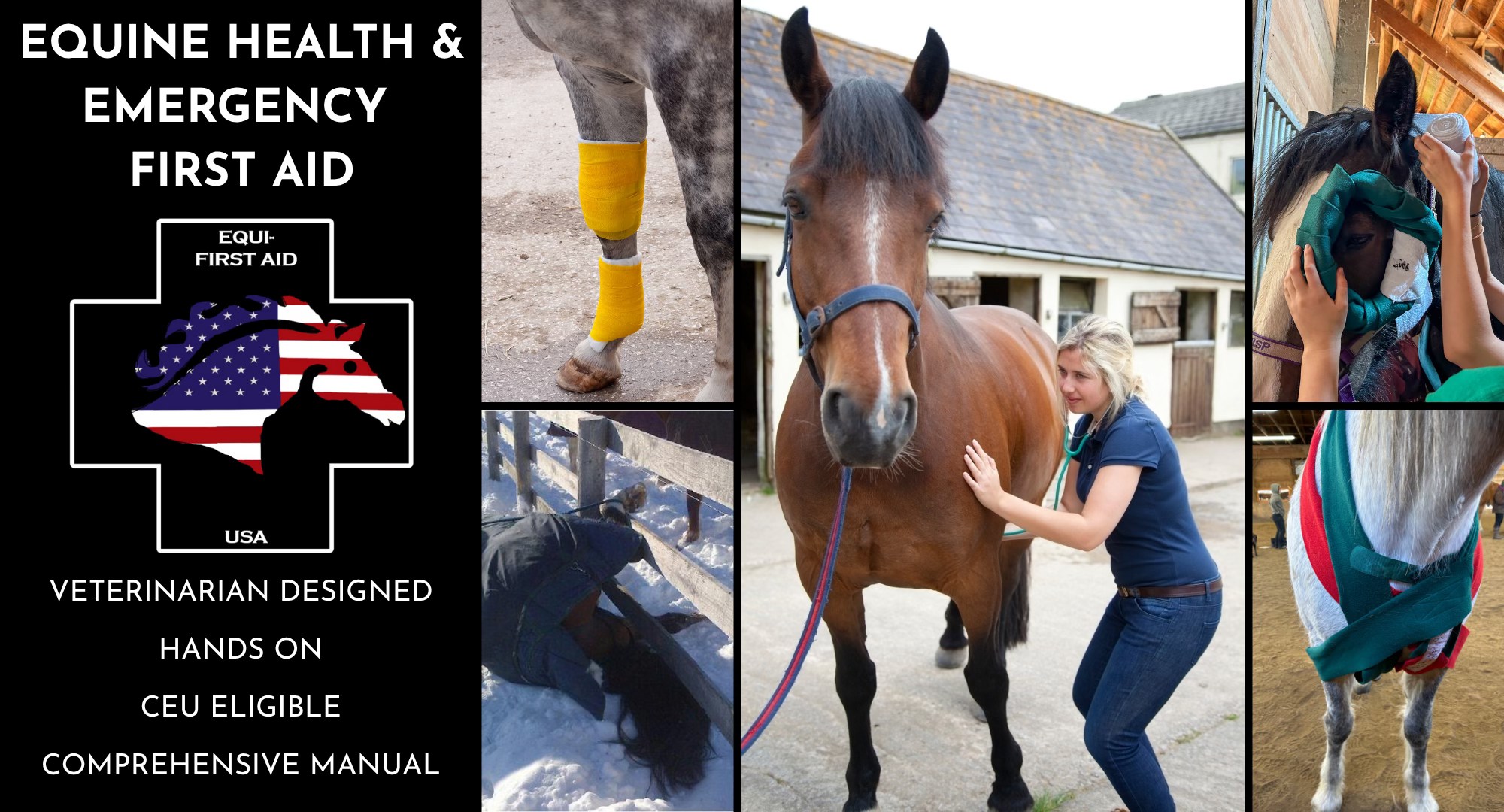
Having horses is pretty amazing, but it comes with some big responsibilities, especially when you deal with emergencies. If you’re new to horses and find first aid a little intimidating, you’re not alone. It can definitely be nerve-wracking if you haven’t handled horse injuries before. The good news is there are practical, hands-on classes made just for first-time horse owners. These are helpful for building confidence and making sure you actually know what to do in a crisis. Here’s the scoop on what to expect, what you can learn, and how to get started the right way.
Why Hands-On Equine First Aid Classes Make a Big Difference
Reading a book or watching YouTube videos is one thing, but when your horse is hurt or suddenly sick, you need real skills rather than just notes in your head. Actually practicing what to do makes a huge difference in how you’ll react during emergencies. When I first began, I wasn’t sure how to handle a leg wound, spot symptoms of colic, or put on a pressure bandage the right way. Attending a certified, in-person course switched things up for me in a big way, so much so that I continued my training and became a certified instructor so that I could share these life saving skills other horse owners.
The Top Pick: Equi-First Aid USA Certified Hands-On Courses
If you want the gold standard in equine first aid, Equi-First Aid USA is the place to check out. These courses started back in 2007 after veterinarians and horse professionals realized everyday horse owners needed practical training, similar to first responder or Red Cross programs but for horses. I genuinely appreciate that all courses are crafted and monitored by veterinarians, giving you the confidence that you’re learning the most current, safe practices.
We hold classes led by certified instructors across the country, and our hands-on method is where you truly learn by doing—not just listening. You get to practice wound wrapping, learn to check vital signs safely, and handle horses directly. You don’t need past medical or equine experience to join—everyone is truly welcome, from worried barn parents to total newcomers.
What You’ll Learn in a First Aid Class for Horse Owners
Equi-First Aid USA’s foundational course covers the important basics and is great for new horse owners. Here’s some of the practical things you’ll actually practice:
- Checking Vital Signs: Get comfortable feeling for a pulse, counting respirations, and measuring temperature so you can spot trouble early.
- Handling Common Emergencies: Learn about colic signs, choke, cuts, punctures, eye injuries, hoof abscesses, and more, so you know how to assess and stabilize until your veterinarian arrives.
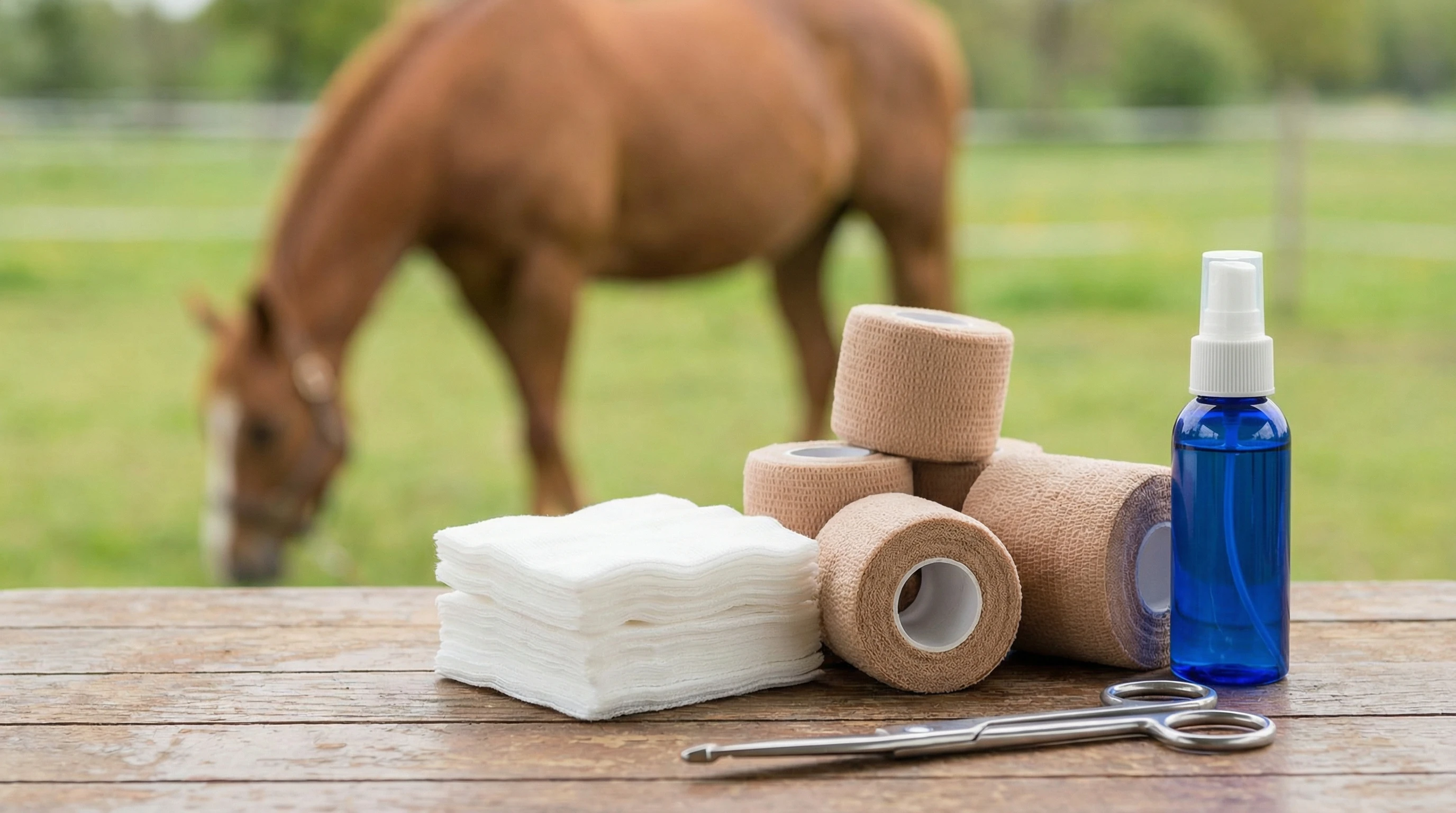
- Bandaging Wounds: Practice applying pressure bandages, controlling bleeding, and securing gauze and wraps—even with a moving horse.
- Safe Horse Handling: Learn how to stay safe around anxious or injured horses, since things can get hectic quickly during emergencies.
- Emergency Planning: See what should go in a barn first aid kit, when to call your vet, and how to prep for the emergencies most likely in your area.
Instructors use live horse demonstrations so you get genuine experience. It’s not about memorization—you’ll do the work, get feedback, and build muscle memory that makes the difference when it really counts.
Types of Courses Offered by Equi-First Aid USA
Equi-First Aid USA goes beyond just beginner lessons. Once you feel more capable, there are deeper or specialized classes to check out:
- Basic First Aid for Kids: Tailored for young riders and horse enthusiasts, this one is simple, practical, and designed to give kids solid horse safety confidence.
- Advanced First Aid: Focuses on complicated emergencies and long-term stabilization; especially useful if you ride on trails or live far from a vet.
- Wilderness First Aid: Teaches ways to keep your horse safe out in remote areas, miles from immediate help—great for campers and trail riders.
- Backcountry Horseman Condensed Guide: This new course is full of tips for backcountry riders and packers venturing into remote places.
- Disaster Planning and Emergency Preparedness: Learn how to prepare for fire, flood, tornado, or other major emergencies involving horses.
- Safe Trailering Practices: Practice loading, unloading, and proper road safety for horses—something every traveling horse owner should know.
- First Responder Course: Designed for firefighters, police, and animal rescue crews who respond to emergencies involving horses.
Will a First Aid Course Replace My Veterinarian?
Equi-First Aid USA is very clear: no first aid class takes the place of professional veterinary care. These classes are made to help you stabilize your horse, give comfort, and prevent the situation from getting worse while you wait for expert help. I still keep my vet’s number handy, but knowing how to take immediate action is a real benefit for your horse’s well being.
Continuing Education and Recognition
These classes aren’t just for absolute beginners. They’re approved for continuing education credit by organizations like the International Association of Animal Behavior Consultants, EAGALA, Equestrian Canada, and several state veterinary technician associations. Even experienced horse owners or people maintaining CE credits can get recognized hours and updated knowledge from these workshops.
The Value of Learning First Aid with Real Horses
There’s nothing like handling a real horse under supervision in a class. Skills like finding a pulse or calming a horse in distress require hands-on practice. The guidance and troubleshooting you get from an experienced instructor makes a huge difference compared to trying to figure it out on your own. Plus, meeting fellow horse owners turns the class into a supportive environment—sometimes, you form connections that last well beyond the day.
Questions New Horse Owners Usually Have
Here are some common questions I hear from people just starting out:
How long does a typical class last?
Most basic courses last a full day, and advanced sessions can take longer or be split across several days. It’s a few hours that really pay off, especially since you’ll get a certificate when you’re done.
Do I need to bring my own horse?
No—classes provide demo horses at the teaching facility. You can definitely use everything you learn later, with your own horse at home.
Is this really suitable for kids and total beginners?
Absolutely. Everyone is welcome, and no prior horse or medical experience is required. If you’re nervous, instructors understand and are ready to walk you through everything.
Tips for Making the Most of Your First Equine First Aid Class
- Dress in comfy clothes and closed-toe shoes. You’ll be moving horses and working with bandages, so wear things that can get a little messy.
- Ask questions—no matter how basic. The goal is to learn. Asking can also help someone else in the group who might be wondering about the same thing.
- Review what you’ve learned and practice at home. Go over your notes and keep practicing the basics like wraps, vital checks, and kit organization. The repetition helps you stay steady when real emergencies pop up.
Finding a Certified Class Near You
If you are located near southwest Virginia, check out my listed courses. If not in my area, Equi-First Aid USA’s website has an easy-to-use calendar and map to find local courses and instructors. Even if you’re in a rural area, there are often options within driving distance, or you might be able to organize a class for your own barn group. Most instructors, like myself, are flexible and happy to work with all group sizes and skill levels, so it pays to ask even if you don’t immediately see something close by.
To track down upcoming classes, just visit Equi-First Aid USA’s site and use their “Find a Course” feature. If you’d rather speak with someone, reach out to me—I’ll guide you, answer any questions you might have and connect you to an instructor in your area.
Why Starting with Hands-On First Aid Training Is Super Important
Emergencies happen fast. Getting in-person first aid training gives you the practical experience needed to stay calm and effective when your horse needs you most. Equi-First Aid USA’s classes help you show up prepared, supportive, and ready—making a real difference for your horse and your peace of mind.
Doing your homework before signing up makes sure you pick the right class and get the freshest info available. For new horse owners, anyone focused on barn safety, or those wanting to build a solid plan for “just in case” moments, a hands-on, certified course is a must-have. Give yourself and your horse the best start with real-world skills you’ll be glad to have.